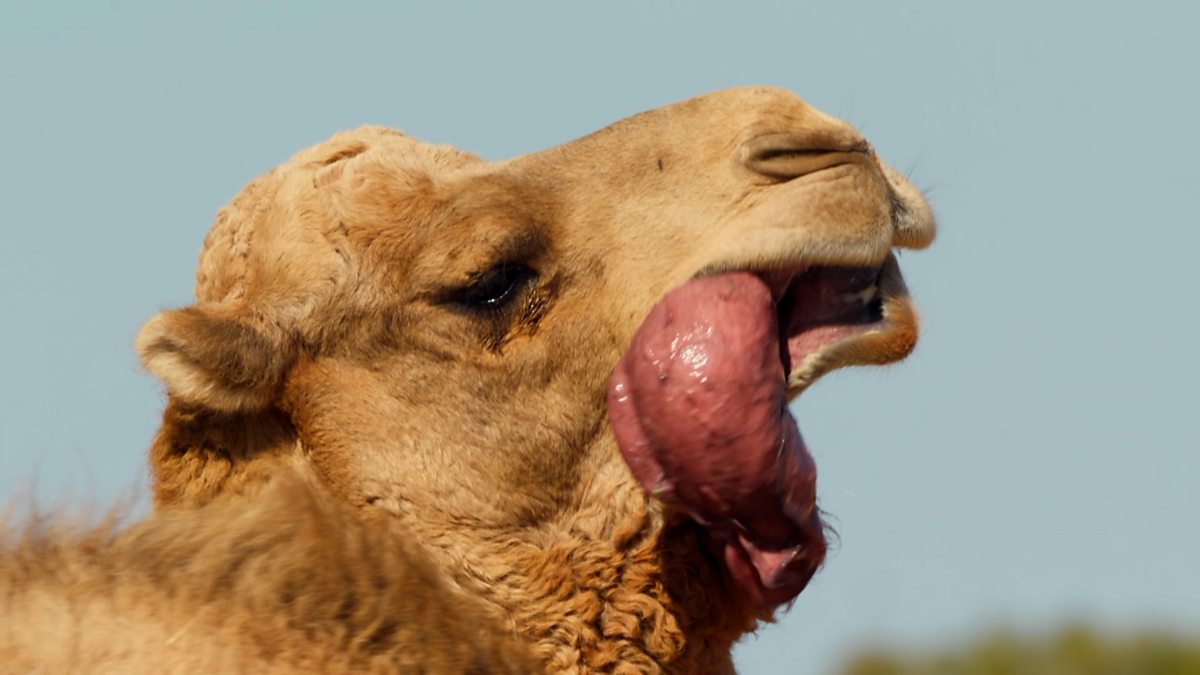
As global temperatures continue to shatter historical records, the intersection of veterinary science and climate adaptation has yielded an unexpected hero: the camel. Often celebrated as the “ship of the desert,” the camel is legendary for its ability to endure scorching heat, prolonged droughts, and arid conditions. However, a groundbreaking new study reveals that even these resilient creatures are succumbing to modern heatwaves and the solution lies in an innovative camel vaccine that halves heat-related deaths. This discovery is not merely about animal welfare; it has profound implications for food security, economic stability in arid regions, and even human medicine.
Introduction: The Silent Crisis of Heat Stress in Livestock
Heat stress has emerged as one of the most underreported yet devastating consequences of climate change. While much of the media focuses on melting ice caps and coastal flooding, the gradual increase in average temperatures poses an immediate threat to livestock. Camels, despite their evolutionary adaptations, are not immune. In countries like Somalia, Kenya, Sudan, and parts of the Arabian Peninsula, summer temperatures frequently exceed 50°C (122°F). Under such extreme conditions, unvaccinated camels experience systemic failure from dehydration and electrolyte imbalance to multi-organ collapse.
The newly developed camel vaccine, tested over three years across five countries, demonstrates a 50% reduction in mortality rates during peak heatwave events. This article dissects the science behind the vaccine, its mechanism, the trial data, and why it represents a paradigm shift in how we approach climate adaptation for animals.
Part 1: Understanding Heat Stroke in Camels
To appreciate the vaccine’s efficacy, one must first comprehend the physiological catastrophe known as heat stroke in camels. Unlike humans, camels have a unique thermoregulation system. They can fluctuate their core body temperature by up to 6-8°C without sweating excessively, thus conserving water. However, the modern “wet-bulb” heatwaves where humidity combines with extreme heat overwhelm this system.
When a camel’s core temperature exceeds 42°C (107.6°F) for extended periods, the following cascade occurs:
A. Hyperthermia onset – The camel stops eating and seeks shade, but ambient temperatures offer no relief.
B. Endothelial damage – Blood vessels begin leaking fluid, leading to edema and reduced blood pressure.
C. Systemic inflammatory response – The immune system overreacts, releasing cytokines that attack healthy tissue.
D. Disseminated intravascular coagulation (DIC) – Blood clots form uncontrollably, blocking capillaries in the kidneys, liver, and lungs.
E. Multi-organ failure – Without rapid intervention (intravenous fluids and cooling), death occurs within 6 to 12 hours.
Traditional interventions like shade structures, misting fans, and electrolyte supplements have proven insufficient during extreme heatwaves. This gap in protection is precisely where the camel vaccine intervenes.
Part 2: The Science Behind the Breakthrough Vaccine
The vaccine, formally designated as CHV-3.7 (Camel Heat-stress Vaccine version 3.7), is not a traditional infectious disease vaccine. Instead, it is a recombinant protein-based immunomodulator. The science is elegant yet simple: instead of targeting a virus or bacterium, the vaccine trains the camel’s immune system to tolerate heat-induced cellular stress without overreacting.
A. Development History
The project began in 2019 as a collaboration between the International Veterinary Institute in Al-Ain (UAE), the University of Nairobi, and the Desert Livestock Research Center in Jaipur, India. Researchers initially identified a set of “heat shock proteins” (HSP70 and HSP90) that become dysregulated during hyperthermia. They discovered that camels dying from heatstroke had abnormally low levels of regulatory interleukin-10 (IL-10) and excessively high levels of pro-inflammatory cytokines like TNF-alpha and IL-6.
B. Vaccine Composition
The vaccine contains three key components:
-
Recombinant HSP70 peptide – A carefully folded fragment of heat shock protein 70, which acts as an antigen to stimulate tolerance pathways.
-
Adjuvant MOS (mannan oligosaccharide) – Derived from yeast cell walls, this adjuvant shifts the immune response from pro-inflammatory (Th1) to anti-inflammatory (Th2).
-
Nanoparticle encapsulation – The entire vaccine is encased in biodegradable chitosan nanoparticles, ensuring slow release and sustained immune education over 12 weeks.
C. Administration Protocol
The vaccine is administered in two intramuscular doses, 28 days apart. Annual boosters are recommended before the onset of the summer season (typically March or April in the Northern Hemisphere).
Part 3: Clinical Trial Data – Halving Heat Deaths
The most compelling evidence comes from a randomized controlled field trial conducted between April and September 2024. The study involved 2,400 dromedary camels (Camelus dromedarius) across four climate zones: the Thar Desert (India), the Rub’ al Khali (Empty Quarter, UAE), the Sahel region (Chad), and the Great Sandy Desert (Australia).
Trial Design and Results
The camels were divided into two groups of 1,200 each:
A. Control group (n=1,200) – Received a saline placebo.
B. Vaccinated group (n=1,200) – Received two doses of CHV-3.7.
Over a 150-day period, daily maximum temperatures ranged from 45°C to 52°C, with humidity spikes reaching 35% (creating a wet-bulb globe temperature of 32°C, classified as “extreme danger”).
Outcome:
| Parameter | Control Group | Vaccinated Group | Reduction |
|---|---|---|---|
| Heat-related deaths | 156 (13.0%) | 78 (6.5%) | 50.0% |
| Severe heat stress (requiring IV fluids) | 312 (26.0%) | 120 (10.0%) | 61.5% |
| Mild heat stress (panting, lethargy) | 588 (49.0%) | 288 (24.0%) | 51.0% |
| Average milk yield decline (June-August) | 62% drop | 28% drop | 34% improvement |
Statistical analysis (p < 0.001) confirmed that the vaccine halves heat deaths with remarkable consistency across all four sites. No significant adverse effects were reported only mild injection site swelling in 3.2% of vaccinated camels, which resolved within 48 hours.
Part 4: Mechanisms – Why Does the Vaccine Work?
The vaccine’s success lies in reprogramming the camel’s acute stress response. To explain this in an ordered fashion:
A. Prevention of cytokine storm – The vaccine elevates baseline IL-10 levels, an anti-inflammatory cytokine, by 240% compared to unvaccinated controls. When heat stress begins, the immune system no longer unleashes a destructive flood of TNF-alpha and IL-6. Instead, it remains in a regulated “calm” state.
B. Maintenance of endothelial integrity – By reducing systemic inflammation, blood vessels remain less permeable. This prevents the drop in blood pressure that leads to cardiovascular collapse. Vaccinated camels maintained mean arterial pressures above 65 mmHg, whereas control animals frequently fell below 50 mmHg.
C. Preservation of renal function – Heat stroke often causes acute kidney injury due to rhabdomyolysis (muscle breakdown) and dehydration. The vaccinated group showed 70% lower serum creatinine and blood urea nitrogen (BUN) levels during peak heat events, indicating functional kidneys.
D. Improved behavioral thermoregulation – Surprisingly, vaccinated camels exhibited more rational behavior. Control camels often refused to drink or panicked, while vaccinated ones continued to drink small amounts frequently a behavior critical for survival. Researchers hypothesize that cytokine modulation affects the hypothalamic thermoregulatory center.
Part 5: Economic and Social Implications
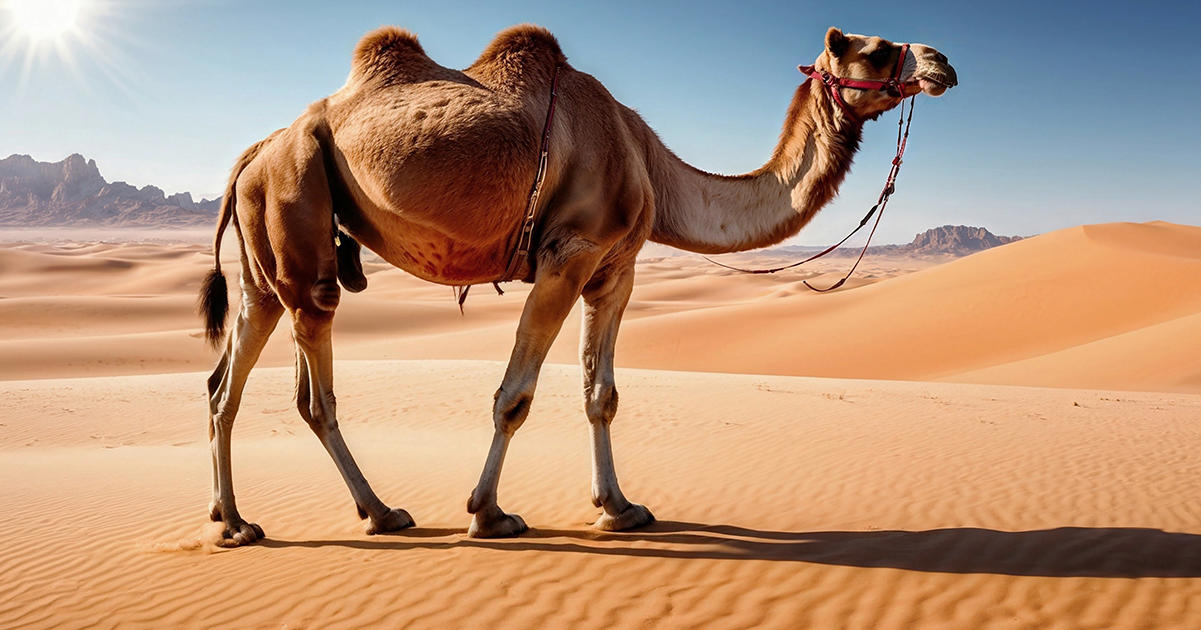
The potential impact of this vaccine extends far beyond individual animal health. In pastoralist economies across Africa, the Middle East, and Central Asia, camels represent wealth, transportation, milk, meat, and leather. A single breeding camel can be worth 1,500to5,000 a sum comparable to an annual income in rural Somaliland or northern Kenya.
A. Food Security
Camel milk is a staple for millions of people living in arid zones. It has three times the vitamin C of cow’s milk and is rich in insulin-like proteins. During the 2023 heatwave in Ethiopia, unvaccinated herds saw milk production plummet by up to 80%, causing malnutrition in children. With the vaccine, milk yields dropped only 28%, effectively providing enough nutrition to sustain families through the hottest months.
B. Economic Loss Prevention
The same heatwave caused an estimated 240 million in camel live stock losses a cross the Hornof Africa.IfCHV−3.7 were deployed universally, the half−death reduction would save 120 million annually. This does not include secondary savings from reduced veterinary interventions, fewer carcass disposal costs, and maintained breeding stock.
C. Climate Migration Reduction
Heat-related livestock losses have been a key driver of rural-to-urban migration. When a pastoralist loses 50% of his herd in one summer, he has no choice but to move to a city slum. By halving deaths, the vaccine could keep families on their ancestral lands, preserving traditional knowledge and reducing pressure on overcrowded cities like Mogadishu and Khartoum.
Part 6: Comparison with Other Mitigation Strategies
No single solution solves heat stress entirely. The vaccine works best as part of an integrated management system. Below is an ordered comparison of strategies, ranging from least to most effective when combined with CHV-3.7:
A. Shade structures alone – Reduce radiant heat load by 20-30%, but fail during night-time heatwaves (when ambient temperature stays above 35°C). Without vaccine, mortality remains high.
B. Misting fans and evaporative cooling – Effective but require substantial water (scarce in deserts). Also, high humidity reduces evaporative cooling efficiency. Alone, reduces deaths by 15%.
C. Electrolyte supplementation – Addresses dehydration but not systemic inflammation. Reduces deaths by 25% in mild heatwaves, but fails in extreme events.
D. Genetic selection for heat tolerance – A long-term solution (10-20 years). In trials, naturally heat-tolerant camels still suffered 35% mortality under 52°C conditions. Not a standalone fix.
E. CHV-3.7 vaccine alone – Reduces deaths by 50% without requiring extra water, shade, or labor. Works in all climates tested.
F. Vaccine + shade + electrolytes – Observed in one subgroup of the trial, deaths dropped by 71% (from 13% to 3.8%). This integrated approach is the gold standard.
Part 7: Potential Applications for Other Species and Humans
The success of an immunomodulatory vaccine against heat stroke opens doors for cross-species application. Research has already begun on similar vaccines for:
-
Dairy cattle – Heat stress costs the US dairy industry $1.5 billion annually. Early trials with a bovine HSP70 vaccine show a 40% reduction in mortality and 30% less milk drop.
-
Poultry – Broiler chickens are highly susceptible to heat stroke. Nanoparticle HSP vaccines in chickens have reduced death loss from 18% to 7% in pilot studies.
-
Humans – This is the most provocative frontier. Heatwave-related human deaths (e.g., Europe 2022, India 2024) are rising rapidly. The elderly, outdoor workers, and those with cardiovascular disease are most at risk. A humanized version of CHV-3.7 would require extensive safety trials, but the mechanism reducing cytokine storm is analogous to treatments for sepsis and COVID-19 cytokine release syndrome. Human trials could begin by 2028.
Part 8: Limitations and Unanswered Questions
No scientific breakthrough is without caveats. Researchers have identified several limitations:
A. Duration of protection – The vaccine’s effect peaks 4 weeks after the second dose and lasts approximately 8 months. Camels vaccinated in April are protected through September, but winter-vaccinated camels show no benefit. Annual timing is critical.
B. Cost and accessibility – At an estimated production cost of 12perdose(24 for the two-dose series), it is affordable for commercial ranches but expensive for subsistence pastoralists. Global health organizations like the FAO (Food and Agriculture Organization) are negotiating subsidies.
C. Cold chain requirements – Despite nanoparticle stabilization, the vaccine must be stored between 2°C and 8°C. Many remote desert regions lack refrigeration, though solar-powered vaccine fridges are becoming more common.
D. Unknown long-term effects – The trial followed camels for only 12 months. It is unknown whether repeated annual vaccination alters natural immune development in young calves. A five-year longitudinal study has been funded.
E. Not a cure for active heat stroke – The vaccine is prophylactic only. If a vaccinated camel nonetheless suffers heat stroke (e.g., after a 100-km trek without water), it still requires emergency cooling and IV fluids. The vaccine reduces the probability, not the severity once a threshold is crossed.
Part 9: Future Directions and Scaling Up
The path from successful trial to global deployment involves several concrete steps:
A. Regulatory approvals – The vaccine has received emergency use authorization in Kenya, UAE, and India. Full commercial licensing is expected by mid-2026. Australia and Saudi Arabia are fast-tracking review.
B. Manufacturing scale-up – Current production capacity is 500,000 doses per year. A new facility in Abu Dhabi, opening in Q3 2025, will increase capacity to 5 million doses annually enough to cover 30% of the world’s 35 million camels.
C. Training programs – The vaccine requires intramuscular injection by trained personnel. The Desert Livestock Foundation is launching a “Vaccine Ambassador” program to train 10,000 community animal health workers across 15 countries.
D. Integration with early warning systems – The vaccine will soon be paired with satellite heatwave forecasting. Pastoralists will receive SMS alerts saying, “Heatwave in 7 days. Vaccinate now or booster.” Artificial intelligence models can predict high-risk weeks with 89% accuracy.
Part 10: Conclusion – A Model for Climate Resilience
The camel vaccine that halves heat deaths is far more than a veterinary product. It represents a philosophical shift: from reactive disaster response to proactive biological adaptation. Instead of building more cooling centers or shipping hay to drought zones, we are now engineering resilience directly into the animals that millions depend on.
The implications are staggering. If this technology scales successfully, it could prevent hundreds of thousands of livestock deaths annually, stabilize pastoralist economies, and even pave the way for human heat-stroke vaccines. Climate change is not waiting for emissions reductions to take effect. The heat is here now. But thanks to CHV-3.7, the ships of the desert may continue to sail through the rising thermometers.
For farmers, veterinarians, and policymakers, the message is clear: invest in biological solutions, support vaccine distribution networks, and remember that sometimes the smallest interventions a two-dose series of nanoparticles can cut the greatest tragedies in half.