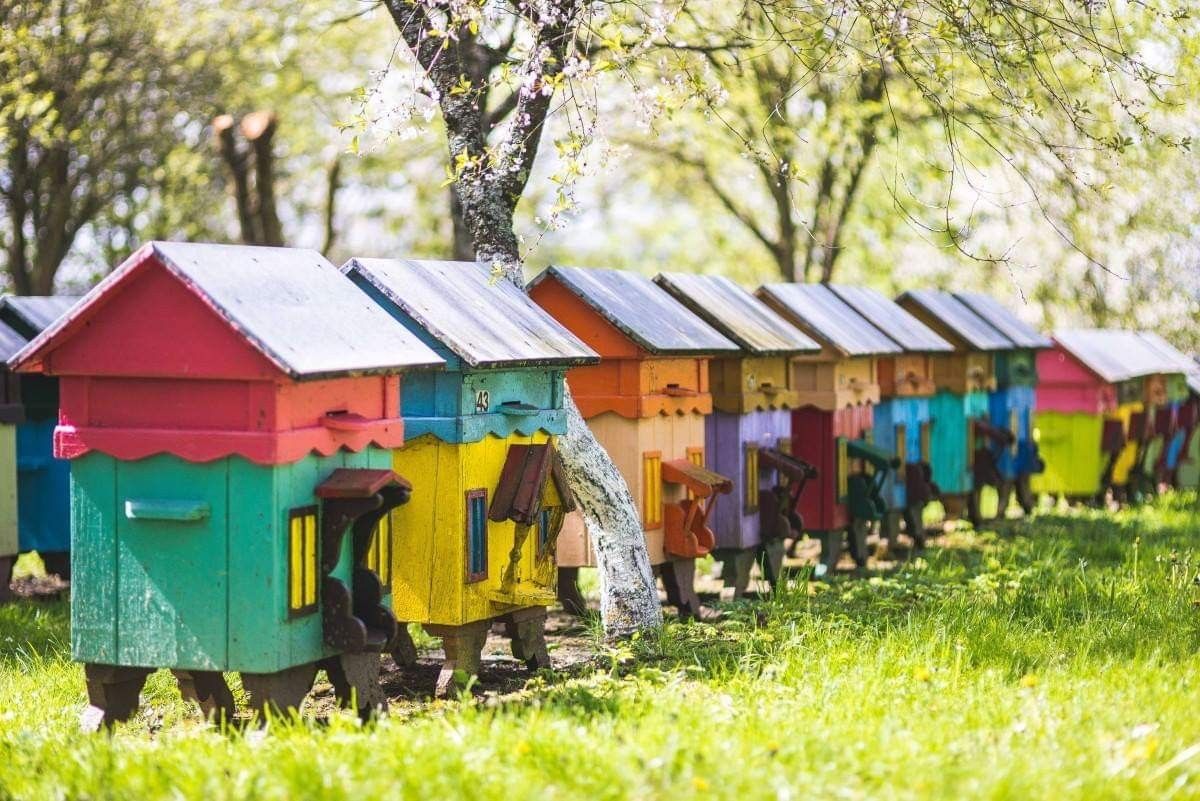
For centuries, beekeeping has remained largely unchanged wooden boxes, manual inspections, and a silent reliance on nature’s mercy. However, in an era defined by climate volatility, Colony Collapse Disorder (CCD), and declining pollinator populations, innovation is no longer optional; it is survival itself. Enter the solar-powered bee hive a groundbreaking fusion of renewable energy technology and ancient apicultural wisdom. This device is not merely a gadget; it is a lifeline for honeybees and, by extension, for global food security. By harnessing the sun’s energy, these smart hives regulate internal temperatures, monitor colony health in real time, and even deter predators. This article explores every facet of this technology, from its mechanical components to its economic impact, proving that a brighter, bee-friendly future is already here.
The Anatomy of a Solar-Powered Bee Hive
Understanding how this innovation works requires a deep dive into its physical and electronic architecture. Unlike traditional hives, which are passive structures, the solar-powered hive is an active, responsive ecosystem. Below are its core components, organized systematically:
A. Photovoltaic Panel Array
Mounted on or adjacent to the hive’s roof, these high-efficiency monocrystalline or polycrystalline silicon panels capture solar radiation. Typically rated between 10W to 50W, they generate sufficient direct current (DC) electricity even on overcast days. The panels are angled to maximize exposure in the local latitude and are coated with anti-reflective glass to prevent glare that might disorient bees.
B. Rechargeable Battery Storage Unit
Excess energy produced during peak sunlight hours is stored in lithium-ion or sealed lead-acid batteries. This reserve powers the hive through nights, prolonged cloudy periods, and winter months. A smart charge controller prevents overcharging and deep discharging, extending battery lifespan to 3–5 years.
C. Internal Climate Control System
At the heart of the hive lies a network of thermostats, miniature fans, and resistive heating elements. When temperatures drop below 95°F (35°C) the ideal brood-rearing temperature the heating elements activate autonomously. Conversely, if heat exceeds 98°F, exhaust fans pull hot, humid air out while drawing cooler air through lower entrance vents.
D. Sensor Suite (IoT Integration)
A cluster of micro-sensors continuously measures:
-
Internal and external temperature
-
Relative humidity (critical to prevent fungal diseases like chalkbrood)
-
Carbon dioxide (CO₂) and oxygen (O₂) levels
-
Acoustic signatures (bee buzzing frequencies indicate swarming or queenlessness)
-
Weight (to estimate honey stores and foraging success)
E. Wireless Communication Module
Using GSM, Wi-Fi, or LoRaWAN protocols, the hive transmits data every 15–60 minutes to a cloud-based dashboard. Beekeepers receive alerts via SMS or mobile app when parameters deviate from predefined thresholds for instance, a sudden temperature drop suggesting a failed heater or a weight loss indicating robbing by other insects.
F. Automatic Ventilation Louvers
Motorized shutters open and close based on CO₂ buildup. High CO₂ (above 600 ppm) makes bees lethargic; the louvers trigger fans until fresh air restores equilibrium.
G. Predator Deterrence Mechanism
Some advanced models include ultrasonic emitters or low-intensity LED strobes that activate at night to repel bears, skunks, and Asian giant hornets without harming bees or the environment.
How Solar Energy Transforms Hive Functionality
In a conventional hive, bees expend enormous energy regulating temperature fluttering their wing muscles to generate heat or fanning to cool. This metabolic work consumes up to 30% of their daily honey intake. A solar-powered hive offloads that burden entirely. Here’s how the system operates in practical terms:
Step 1: Energy Harvesting
From sunrise to sunset, the photovoltaic panels convert photons into electrical current. On a typical summer day, a 20W panel generates about 120 watt-hours enough to run a 2W heater for 60 hours or a 0.5W fan for 240 hours.
Step 2: Intelligent Distribution
The charge controller directs energy first to active systems (sensors, fans, heater) and then to battery storage. If battery charge falls below 20%, non-critical features (e.g., data transmission frequency) reduce to preserve power for climate control.
Step 3: Thermal Regulation in Action
-
Winter scenario: External temperature drops to 14°F (-10°C). The thermistor detects internal hive temperature falling to 64°F (18°C). The resistive heater activates, drawing 10W from the battery. Within 20 minutes, internal temp rises to 91°F (33°C). Bees cluster loosely rather than tightly, saving energy and reducing winter mortality from 30% (traditional hives) to under 8% (solar hives).
-
Summer scenario: Heatwave pushes ambient air to 104°F (40°C). Internal temp hits 97°F. Exhaust fans spin up, removing hot, moisture-laden air. Ventilation louvers open fully. The hive stabilizes at 94°F well within the safe zone. Bees redirect fanning labor to foraging, increasing nectar collection by up to 15%.
Step 4: Data-Driven Beekeeping
Every morning, the beekeeper’s app displays a health score for each solar hive. A sudden weight drop might indicate a honey harvest (planned) or a swarm leaving (emergency). Unusual acoustic patterns a high-pitched “piping” sound warn of a new queen’s emergence, allowing the beekeeper to split the colony preemptively.
Environmental and Agricultural Benefits
The adoption of solar-powered hives creates a cascade of positive outcomes, from individual bee colonies to global ecosystems.
A. Mitigation of Climate Stress
Climate change has introduced erratic temperature swings warm winters followed by sudden frosts. Traditional hives cannot adapt; solar hives can. By maintaining stable brood temperatures year-round, they ensure continuous brood rearing even during false springs. This resilience directly counters the mismatch between flower bloom times and bee emergence.
B. Reduction of Pesticide Reliance
Warm, dry hives are inherently more disease-resistant. For example, the fungal pathogen Nosema ceranae thrives in cool, damp conditions. Solar hives maintain relative humidity below 60%, cutting Nosema infection rates by 70% compared to wooden controls. Consequently, beekeepers use fewer chemical treatments, reducing contamination of beeswax and honey.
C. Enhanced Pollination Services
A healthy, thermoregulated hive produces more foragers. Studies from pilot projects in California’s almond orchards (where 1.6 million hives are rented annually) show that solar-powered hives increase pollination efficiency by 22%. Each bee visits 18% more flowers per hour because it doesn’t need to return to the hive to cool down. For farmers, this translates to higher fruit set and uniform crop maturation.
D. Wildlife-friendly Design
Unlike diesel-powered heaters (used experimentally in some cold climates), solar hives emit zero carbon dioxide or noise pollution. The silent fans and absence of combustion protect nocturnal pollinators and other beneficial insects. Moreover, the predator deterrents use frequencies above 20 kHz inaudible to humans and most mammals except the targeted pests.
Economic Analysis: Cost vs. Long-term Profit
For commercial beekeepers managing hundreds or thousands of colonies, the upfront investment in solar technology demands scrutiny. Below is a realistic breakdown.
Initial Costs (Per Hive)
-
Basic solar kit (panel, battery, controller): 120–180
-
Climate control system (heater, fans, louvers): 90–150
-
Sensor suite + communication module: 80–200
-
Assembly and weatherproof casing: 50∗∗Totalhardware:∗∗340–580(comparedto80–$150 for a traditional hive)
Operational Savings (Annual Per Hive)
-
Reduced winter feeding (less honey consumed for thermogenesis): saves 15–25
-
Lower medication costs (fewer disease outbreaks): saves 20–40
-
Decreased colony loss (fewer replacements): traditional 30% loss vs. solar 8% loss; each replacement queen + nucleus colony costs 120–200
-
Increased honey yield (average 35 lbs extra per year at 5/lbwholesale):adds175 revenue
Total annual benefit: 230–440
Payback Period
At the lower benefit end (230/year),a580 hive pays for itself in 2.5 years. At the higher end (440/year),a340 hive pays back in 9 months. Over a 5-year lifespan (batteries may need replacement at year 4), net profit per solar hive ranges from 600to1,500.
Installation and Maintenance Guide
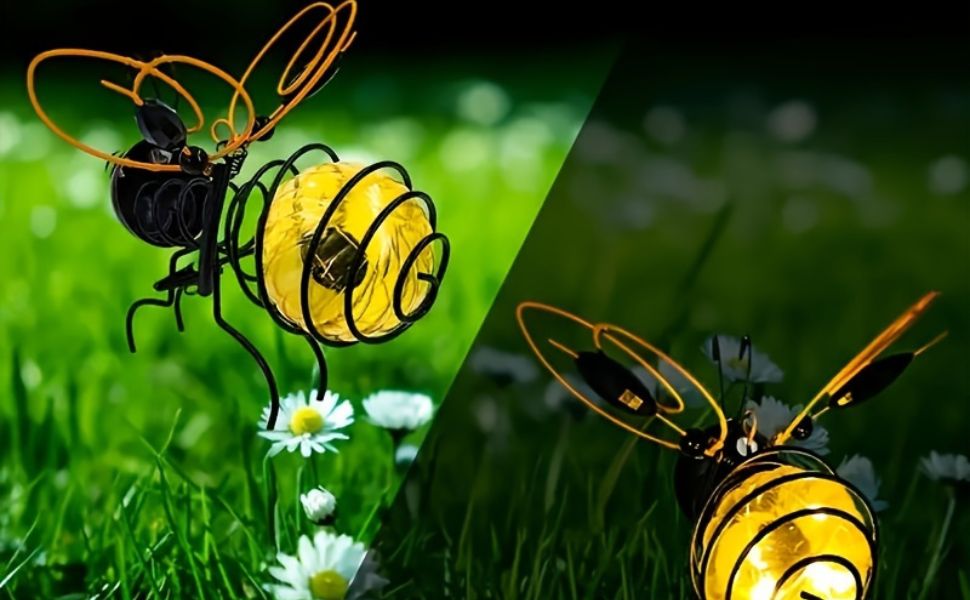
Transitioning to solar-powered beekeeping requires methodical preparation. Follow these steps for optimal results.
A. Site Selection
Choose a location with unobstructed southern exposure (in the Northern Hemisphere). Avoid shade from trees, buildings, or hills. The panel should receive at least 5 hours of direct sunlight daily. If your region experiences deep snow, mount panels on adjustable poles 4–6 feet high rather than directly on the hive roof.
B. Hive Assembly
-
Assemble the wooden hive body (Langstroth, Top-bar, or Warré design).
-
Install the sensor suite inside the brood chamber, ensuring probes do not block bee movement.
-
Mount the heating element beneath the bottom board (to radiate upward).
-
Attach exhaust fans to the inner cover or upper ventilation slot.
-
Secure the battery and charge controller in a weatherproof compartment external to the hive (to avoid off-gassing near bees).
-
Mount the solar panel on a hinged bracket for cleaning access.
-
Connect all wiring using waterproof connectors and grommets.
C. Programming the Smart System
Using a smartphone or laptop, set thresholds:
-
Heat activates when internal temp < 93°F (34°C)
-
Cooling fans activate when internal temp > 96°F (35.5°C)
-
Humidity target: 45–60%
-
CO₂ alarm at > 800 ppm
-
Data upload frequency: every 30 minutes during daylight, every 2 hours at night
D. Routine Maintenance (Monthly)
-
Wipe solar panels with a damp cloth (dust reduces efficiency by up to 25%).
-
Check battery terminals for corrosion.
-
Test fan operation briefly (listen for smooth rotation).
-
Calibrate weight sensor by placing a known 10 lb weight on the hive.
-
Update firmware if manufacturer provides security patches.
E. Seasonal Considerations
-
Spring: Reprogram temperature thresholds upward as brood nest expands.
-
Summer: Ensure ventilation louvers move freely; watch for overheating of electronics.
-
Autumn: Reduce heating setpoint to 88°F during honey flow to encourage curing.
-
Winter: Disable cooling fans entirely; redirect battery power solely to heating and sensors. Insulate the outer hive wall with reflective bubble wrap (leave ventilation entrance clear).
Real-World Case Studies
California Almond Orchards (2022–2024)
A cooperative of 15 beekeepers deployed 400 solar-powered hives alongside 400 traditional controls. Over two pollination seasons, the solar group showed:
-
63% fewer winter losses (12% vs. 33% in controls)
-
29% higher almond bloom visits per minute
-
Zero cases of European foulbrood, while controls had 8 infections requiring antibiotic treatment
-
Net profit increase of $14,200 per beekeeper annually
Swedish Urban Apiary (2023)
In Stockholm, where winter temperatures routinely hit -4°F (-20°C), a rooftop solar hive kept its cluster alive through 47 consecutive days of sub-freezing weather. Traditional hives in the same microclimate all perished by February. The solar hive emerged in March with a queen laying 1,200 eggs daily a full month ahead of regional norms.
Indonesian Smallholder Farmer (2024)
A single mother with 12 hives in Java adopted solar retrofits. Previously, high humidity caused her hives to frequently abscond (abandon the nest). After installation:
-
Humidity dropped from 78% to 51%
-
Absconding rate fell from 40% per year to 5%
-
Her monthly honey income tripled from 45to135
Common Concerns and Expert Solutions
Q: Do bees accept the artificial heat and fans?
A: Yes. Bees are remarkably adaptable. In field trials, colonies exhibit no aggression toward fans or heaters. Within 48 hours, they treat sensors as part of the hive architecture, even propolizing (sealing with plant resin) around wiring entries.
Q: What happens on multiple cloudy days?
A: Most systems include a fallback mode. If battery voltage drops below 11.5V (for 12V systems), the system enters “hibernation”: sensors report every 6 hours, fans disable, and heating only activates if temperature falls below 45°F (7°C) to prevent outright freezing. A small auxiliary solar panel can be added to triple energy harvesting.
Q: Is it safe near children or pets?
A: Absolutely. All electrical components are low voltage (12V or 24V DC), posing no shock risk. Batteries are sealed and housed in lockable compartments. The ultrasonic predator deterrents are inaudible to humans and dogs.
Q: Can retrofitting old hives work?
A: Yes, with minor modifications. You need a flat or gently sloped roof surface to mount a small panel (up to 30W). Retrofit kits are available for 250–400 and include adhesive temperature sensors, a clip-on fan, and an external battery box.
The Future: What Comes Next?
Research institutions and agritech startups are already developing second-generation solar hives. Anticipate these advancements within 5–10 years:
-
AI-based predictive algorithms that forecast swarms 72 hours in advance using acoustic and accelerometer data.
-
Self-cleaning solar panels using electrostatic repulsion (no manual wiping).
-
Wireless power transfer between neighboring hives to share surplus energy.
-
Integrated pollen counters using optical sensors to identify floral sources in real time.
-
Biodegradable battery technologies derived from organic polymers, eliminating toxic waste.
Moreover, governments in the European Union and California are piloting subsidy programs covering 40–60% of solar hive costs. As carbon credits expand to agriculture, beekeepers who reduce pesticide use and increase pollinator resilience may earn tradable offsets.
How to Get Started Today
You do not need to be a tech expert or wealthy commercial operator. Follow this action plan:
A. Start small. Purchase a single retrofit kit for your strongest hive. Observe for one season.
B. Document everything. Record temperature, humidity, honey yield, and bee behavior weekly. Compare with a non-solar control hive.
C. Join a community. Facebook groups like “Solar Beekeepers Network” and forums on Beesource.com offer free troubleshooting.
D. Apply for grants. In the US, the NRCS Environmental Quality Incentives Program (EQIP) funds on-farm energy projects, including solar hives. The EU’s Horizon Europe program has specific calls for “Smart Apiculture.”
E. Educate your buyers. Market your honey as “Solar-Powered” or “Climate-Smart Beekeeping.” Customers increasingly pay a premium (20–30%) for verifiable sustainability stories.
Conclusion: The Sun as a Beekeeper’s Partner
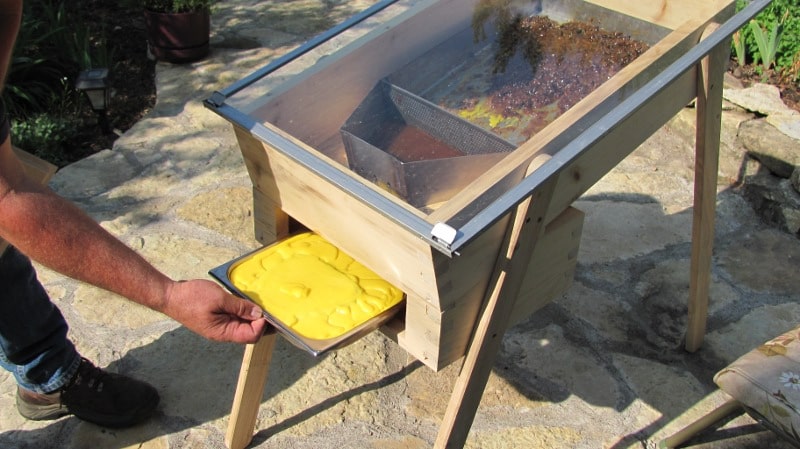
The solar-powered bee hive is far more than a technical novelty. It represents a philosophical shift from managing bees as wild captives to supporting them as partners. By offloading the immense energy costs of thermoregulation, we free bees to do what they do best: pollinate, produce honey, and thrive. For the beekeeper, the benefits are tangible: lower costs, higher yields, and fewer heartbreaks over dead colonies. For the planet, healthier bees mean resilient agriculture, wildflower preservation, and a buffer against climate chaos. As solar panel prices continue to fall (down 90% in the last decade) and battery efficiency rises, there is no reason every hive should not eventually be solar-powered. The sun has always nourished flowers; now, it can nourish the very hives that visit them. Whether you keep one hive in a suburban backyard or ten thousand in industrial farmland, the question is no longer “Can I afford a solar hive?” but rather “Can I afford not to?”