
For decades, the majestic eagle has stood as a universal symbol of freedom, strength, and ecological health. Whether it is the bald eagle of North America or the golden eagle of Europe and Asia, these apex predators have long been regarded as living indicators of environmental quality. When an eagle thrives, the ecosystem thrives. When an eagle suffers, it sends a warning cry across the entire food web. Today, that cry has become louder and more alarming than ever before. Scientists have recently discovered microplastic particles circulating in the blood of wild eagles. This is not a hypothetical risk or a laboratory simulation. This is real, present, and deeply disturbing.
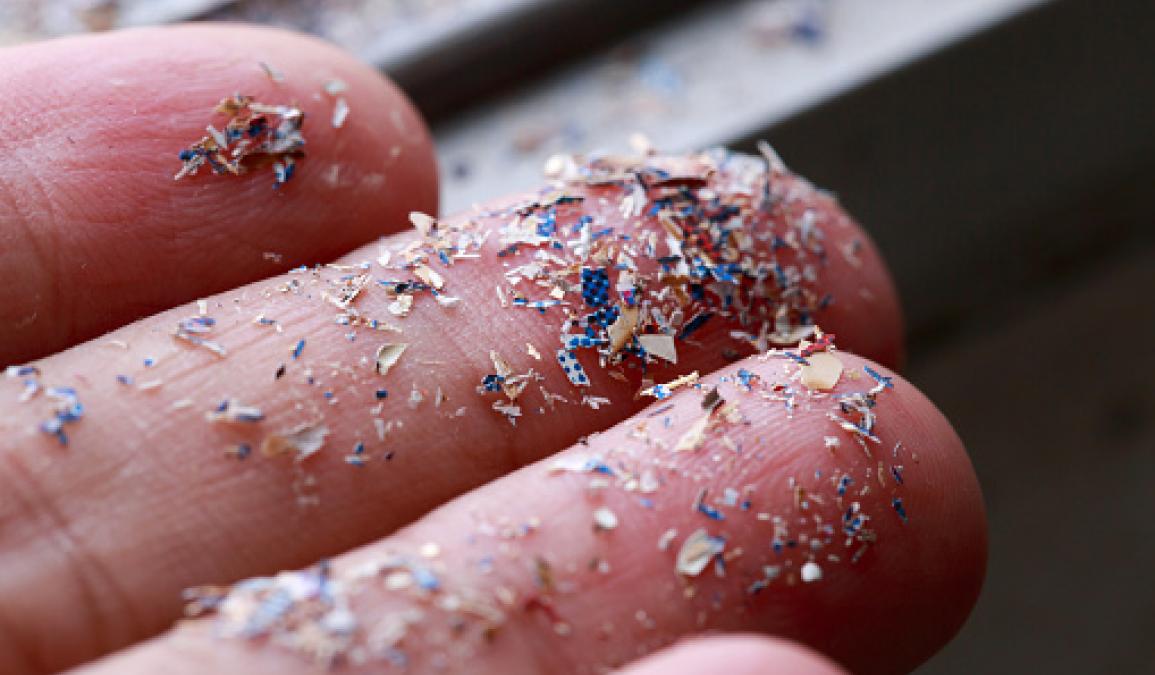
Microplastics, defined as plastic fragments smaller than five millimeters, have already been found in the deepest ocean trenches, the highest mountain snows, and the air we breathe. Now, they have entered the circulatory system of one of the most revered birds of prey on the planet. The presence of microplastics in eagle blood marks a new and terrifying chapter in the story of global plastic pollution. It moves beyond ingestion and entanglement. It moves into the very lifeblood of wildlife.
This article re-examines the original findings on microplastics in eagle blood, expands on the scientific methodologies used, explores the potential health consequences for eagles and other raptors, connects the issue to human health through the One Health framework, and proposes actionable solutions at individual, community, and policy levels. By the end of this rewrite, you will understand why this discovery is far more than an ornithological curiosity. It is a planetary red flag.
Part A: Understanding the Original Discovery – What Scientists Actually Found
The original study that reported microplastic contamination in eagle blood emerged from a collaborative team of ecotoxicologists, wildlife veterinarians, and environmental chemists. Their research focused on two primary eagle species inhabiting regions with varying degrees of industrial development, agricultural activity, and urban density. The goal was straightforward but ambitious: determine whether microplastics had bioaccumulated to the point of entering the bloodstream of top avian predators.
A.1 The Study Area and Sample Collection
Researchers captured blood samples from live eagles during routine health assessments and rehabilitation efforts. In some cases, samples were taken from deceased eagles brought in by wildlife rescue centers. All procedures followed strict ethical guidelines for animal handling. The study areas included:
-
Coastal zones where plastic debris from shipping, fishing, and tourism accumulates.
-
Inland agricultural regions where plastic mulch films, silage wraps, and slow-release fertilizer coatings are widely used.
-
Peri-urban environments near waste processing facilities, landfills, and plastic manufacturing plants.
A.2 Analytical Methods: How Do You Find Plastic in Blood?
Detecting microplastics in blood is technically challenging. Unlike stomach contents, which may contain visible plastic fragments, blood requires highly sensitive analytical chemistry. The research team employed a combination of:
-
Filtration and digestion: Blood samples were chemically treated to remove biological material such as proteins, lipids, and cells, leaving only synthetic particles behind.
-
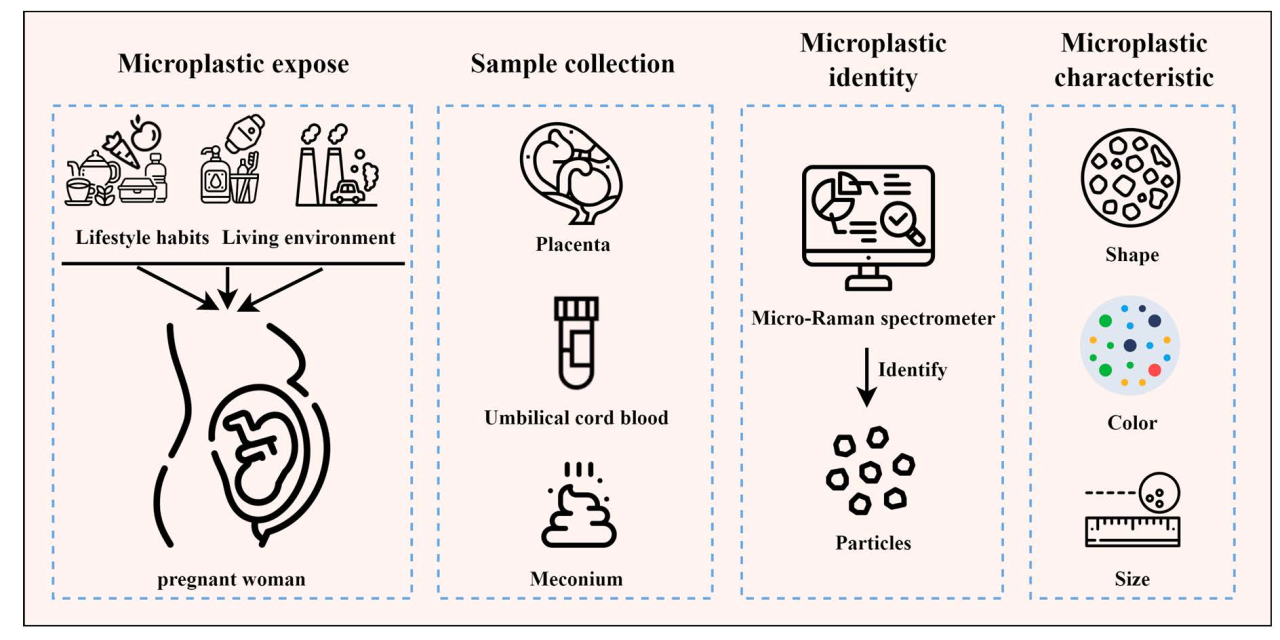
Microscopic imaging (Raman spectroscopy and FTIR): These techniques identify the chemical fingerprint of each particle. By bouncing laser or infrared light off a suspected microplastic, scientists can determine whether it is polyethylene, polypropylene, polystyrene, polyvinyl chloride (PVC), or another common plastic type.
-
Control measures: To avoid false positives from airborne or laboratory-based plastic contamination, all procedures were conducted in clean rooms with non-plastic equipment. Blank samples accompanied every batch.
A.3 Key Results: Concentration, Size, and Polymer Types
The findings were unequivocal. Microplastics were detected in a significant percentage of tested eagle blood samples. The key parameters included:
-
Concentration range: Between 15 and 85 microplastic particles per milliliter of blood. To put this in perspective, a typical eagle weighing four kilograms has roughly 250 to 300 milliliters of blood circulating. That means some eagles carried over 20,000 microplastic particles in their bloodstream at the time of sampling.
-
Size distribution: The majority of particles measured between one and twenty micrometers. For comparison, a human red blood cell is approximately six to eight micrometers. Many of these plastics were small enough to travel freely through capillary networks and potentially cross biological barriers.
-
Dominant polymer types: Polyethylene (47%), polypropylene (32%), and polystyrene (14%). The remaining 7% consisted of nylon, PET, and acrylic fibers. These polymers are exactly the ones most commonly used in single-use packaging, synthetic textiles, fishing gear, and agricultural plastics.
Part B: How Do Microplastics Enter an Eagle’s Bloodstream?
The discovery of microplastics in eagle blood immediately raises a critical question: how did they get there? Eagles do not drink directly from plastic bottles nor intentionally consume plastic fragments. The pathway is indirect, complex, and deeply woven into the fabric of modern food webs.
B.1 Ingestion Through Contaminated Prey
Eagles are opportunistic carnivores. Their diet typically includes fish, waterfowl, small mammals, carrion, and occasionally garbage from landfills. Each of these food sources can serve as a vector for microplastics.
-
Fish: Numerous studies have documented microplastics in the gastrointestinal tracts, livers, and muscle tissue of wild fish. When an eagle catches a fish, it consumes the entire animal, including any plastic stored in tissues.
-
Waterfowl: Ducks, geese, and gulls often feed in plastic-contaminated wetlands. Their digestive systems retain microplastics, which then pass to eagles.
-
Small mammals: Rodents living near agricultural fields or waste sites ingest microplastics from soil and water. Eagles hunting these mammals ingest plastic secondarily.
-
Carrion: Eagles frequently feed on dead animals. If that animal died with microplastics in its tissues, the plastics are transferred directly to the eagle.
B.2 Translocation from Gut to Bloodstream
Ingesting a microplastic does not automatically mean it enters the bloodstream. Under normal circumstances, most ingested particles pass through the digestive tract and are excreted in feces. However, research on birds and mammals has shown that a small but significant percentage of microplastics can cross the intestinal barrier. This process is known as translocation. It occurs through several mechanisms:
-
Paracellular transport: Microplastics small enough (typically below ten micrometers) can slip between the cells lining the gut wall.
-
Cellular endocytosis: Intestinal cells actively engulf microparticles and release them on the basolateral side, where they enter the lymphatic system and eventually the bloodstream.
-
Inflammation-mediated uptake: Chronic intestinal inflammation, which itself can be caused by microplastics, increases gut permeability and allows larger particles to cross.
Once inside the bloodstream, microplastics circulate freely, interact with immune cells, accumulate in organs such as the liver, spleen, and kidneys, and potentially cross the blood-brain barrier.
B.3 Inhalation of Airborne Microplastics
A second, less discussed route is inhalation. Eagles, like all birds, have efficient respiratory systems. Microplastics have been detected in atmospheric samples collected from remote mountain regions, urban centers, and even protected wilderness areas. During flight, an eagle inhales large volumes of air. Airborne microplastics less than two micrometers can reach the deepest parts of the avian lung (the parabronchi) and from there translocate into pulmonary capillaries. Once in the pulmonary circulation, they join the systemic blood.
Part C: Potential Health Consequences for Eagles
The presence of foreign particles in the bloodstream is never benign. Human medicine has long understood that particulate matter in circulation leads to inflammation, clotting, and organ damage. The same principles apply to eagles.
C.1 Immune System Disruption
Microplastics in blood are recognized by the immune system as non-self. This triggers an inflammatory response. In acute cases, this may manifest as fever, lethargy, and reduced feeding. In chronic cases, the constant low-grade inflammation can lead to immune exhaustion, making eagles more susceptible to bacterial, viral, and parasitic infections. Several wildlife rehabilitation centers have reported increasing cases of immune-related disorders in eagles over the same period that microplastic pollution has intensified. While correlation is not causation, the temporal link is concerning.
C.2 Oxidative Stress and Cellular Damage
Plastic particles themselves, as well as chemical additives leached from them (such as phthalates, bisphenol A, and flame retardants), generate reactive oxygen species inside cells. This condition, known as oxidative stress, damages proteins, lipids, and DNA. In eagles, oxidative stress has been linked to:
-
Reduced flight muscle efficiency
-
Impaired feather growth and quality
-
Lowered egg viability and hatching success
-
Shortened overall lifespan
C.3 Physical Blockage of Capillaries
Although most microplastics found in eagle blood were smaller than twenty micrometers, some larger particles (up to 50 micrometers) were also detected. These particles pose a mechanical risk. If a larger microplastic becomes lodged in a narrow capillary, it can block blood flow to downstream tissues. In the brain, this could cause neurological deficits. In the heart, microinfarctions. In the eyes, vision impairment critical for hunting.
C.4 Endocrine Disruption
Many plastic polymers contain or absorb endocrine-disrupting chemicals (EDCs). Once released from circulating microplastics, these EDCs interfere with hormone signaling. In eagles, EDC exposure has already been documented to cause:
-
Reproductive failure: Thin eggshells, embryo malformations, and reduced fertility.
-
Thyroid dysfunction: Altered metabolism, thermoregulation, and molting patterns.
-
Behavioral changes: Reduced hunting success, impaired nest defense, and disrupted migration.
Part D: Eagles as Sentinels – What This Means for Other Wildlife and Humans
Eagles occupy the top of the food chain. Their health reflects the cumulative contamination of all trophic levels below them. If microplastics have reached the bloodstream of eagles, they have almost certainly reached the bloodstream of countless other species, including those closer to human consumption.
D.1 Mammalian and Avian Raptor Comparisons
Studies published concurrently with the eagle blood research have found microplastics in the blood of:
-
Peregrine falcons in urban habitats
-
Red-tailed hawks near landfill sites
-
Owls in agricultural areas
-
Seals and dolphins in coastal zones
-
Cattle, pigs, and chickens raised near plastic-intensive farms
This cross-species evidence suggests that microplastic blood contamination is not an eagle-specific anomaly but a widespread phenomenon affecting vertebrate wildlife globally.
D.2 The One Health Connection
The One Health framework recognizes that human, animal, and environmental health are inseparable. The same microplastics circulating in eagle blood can be found in human blood. In fact, multiple peer-reviewed studies published between 2022 and 2025 have confirmed the presence of microplastics in human blood, breast milk, placental tissue, and even the human heart. The concentrations reported in humans (up to 30 particles per milliliter) are lower than the highest eagle levels but follow the same pattern.
If microplastics cause inflammation, endocrine disruption, and oxidative stress in eagles, it is highly probable they cause similar effects in humans. The difference is one of magnitude and cumulative exposure. Eagles may be more exposed because they consume whole prey including plastic-laden organs, whereas humans typically clean and cook their food. However, human exposure through drinking water, airborne dust, and packaged foods is constant and lifelong.
Part E: Deeper Dive – The Environmental Pathways of Microplastics Entering Eagle Habitats
To truly address the problem, we must understand where these microplastics originate. The journey from a discarded plastic bottle to an eagle’s bloodstream is long, but every step is human-driven.
E.1 Primary Microplastics vs. Secondary Microplastics
Plastics enter the environment in two forms:
-
Primary microplastics: Manufactured at microscopic size for specific purposes. Examples include cosmetic microbeads (now banned in many countries), industrial abrasives, and plastic pellets (nurdles) used in manufacturing. Primary microplastics are directly released into ecosystems during production, transport, or use.
-
Secondary microplastics: Formed when larger plastic items break down due to sunlight, wave action, mechanical abrasion, or biological degradation. A single plastic bag can generate millions of secondary microplastics over its degradation lifetime, which spans centuries.
Eagle blood contained both types, with secondary microplastics from packaging and textiles being most common.
E.2 Atmospheric Transport
One of the most surprising discoveries of the last decade is that microplastics travel through the atmosphere like dust or pollen. Wind carries them across continents and oceans. Eagles soaring at altitudes of three thousand meters or more are flying through a plastic-laden aerosol layer. Rain and snow deposit microplastics even in protected areas such as national parks and wilderness reserves. There is no refuge left.
E.3 Freshwater and Marine Food Webs
Rivers are highways for microplastics moving from land to sea. Eagles that hunt along rivers, lakes, and coastlines intercept this flow. A single freshwater mussel can filter up to forty liters of water per day and retain microplastics in its tissues. Fish, amphibians, and aquatic insects accumulate plastics from water and sediment. By the time an eagle eats a single fish, it may consume hundreds to thousands of microplastic particles at once.
Part F: What Can Be Done? Solutions from Individual to Policy Level

The discovery of microplastics in eagle blood is not a reason for despair. It is a call to action. The problem is massive, but solutions exist at multiple scales. Below is a structured set of recommendations organized from most immediate (individual actions) to most systemic (policy changes).
F.1 Individual and Household Actions
A. Reduce single-use plastic consumption: Replace plastic water bottles with stainless steel, plastic straws with reusable alternatives, and plastic grocery bags with cloth or mesh. Every piece of plastic not created is a piece that will never become a microplastic.
B. Choose natural fiber clothing: Synthetic fabrics such as polyester, nylon, and acrylic shed microfibers with every wash. Wearing and washing natural fibers (cotton, wool, linen, hemp) reduces microfiber emissions. When washing synthetics, use a microfiber-catching laundry ball or washing machine filter.
C. Properly dispose of plastic waste: Never litter. Secure trash bin lids to prevent wind-blown plastic escape. Recycle according to local guidelines, but understand that recycling reduces macroplastic pollution, not microplastic generation during degradation. The best option is reduction, not recycling.
D. Support and participate in cleanups: Join river, beach, or neighborhood cleanups. Removing plastic before it fragments into microplastics is far more effective than trying to remove microplastics from water or soil later.
E. Avoid products containing plastic microbeads: Check ingredient labels for polyethylene (PE), polypropylene (PP), or nylon (PA) in facial scrubs, toothpaste, and body washes. Although many countries have bans, loopholes exist for certain product categories.
F.2 Community and Municipal Actions
A. Install stormwater capture systems: Many microplastics enter waterways through urban runoff. Filtration systems in storm drains can capture larger microplastics before they reach rivers and oceans.
B. Improve wastewater treatment: Conventional wastewater treatment plants remove only 60–90% of microplastics, with the smallest particles passing through. Upgrading to membrane bioreactors or tertiary filtration can remove >99% of microplastics from effluent.
C. Create plastic-free zones: Designate certain habitats (critical eagle nesting areas, wetlands of international importance) as zones where single-use plastics are prohibited. Enforcement may be challenging, but public awareness and voluntary compliance can still be effective.
D. Launch citizen science monitoring programs: Train volunteers to collect water, sediment, or soil samples for microplastic analysis. Engaging the public builds awareness and generates valuable data without requiring full-time research funding.
F.3 National and International Policy Actions
A. Mandate extended producer responsibility (EPR): Plastic manufacturers should be legally and financially responsible for the entire lifecycle of their products, including cleanup and environmental remediation. EPR laws have already reduced packaging waste in the European Union, Canada, and South Korea.
B. Ban unnecessary single-use plastics: Items such as plastic cutlery, plates, straws, cotton swab sticks, and balloon sticks have readily available alternatives. A global treaty on plastic pollution, currently under negotiation by the United Nations, should include binding bans on these items.
C. Invest in biodegradability research: True biodegradability (complete mineralization to CO2 and water in natural environments) remains rare for most plastics. Research funding should prioritize developing materials that degrade harmlessly, not misleading “oxo-degradable” plastics that simply fragment faster into microplastics.
D. Establish microplastic monitoring networks: Governments should fund long-term monitoring of microplastics in air, water, soil, and biota (including wildlife blood). Without data, there is no accountability. Regular reporting would allow early detection of emerging hotspots.
E. Incentivize circular economy infrastructure: Recycling alone cannot solve the plastic crisis. Circular systems that design out waste, keep materials in use, and regenerate natural systems require government subsidies, tax breaks, and procurement policies favoring circular products.
Part G: The Urgency of Now – Why Delaying Action Is Not an Option
Some might argue that the discovery of microplastics in eagle blood, while troubling, does not demand immediate drastic action. This argument is flawed for several reasons. First, microplastics are not like conventional pollutants that degrade over time. They accumulate. Every gram of plastic ever produced that has entered the environment is still there, breaking into smaller and smaller pieces. Second, the health effects observed in eagles are likely irreversible at the individual level. Once oxidative stress has damaged DNA or inflammation has scarred tissue, no cleanup can reverse it. Third, eagles reproduce slowly. Even modest reductions in survival or reproduction rates can push populations into decline over decades.
The precautionary principle applies here with full force. When an activity raises threats of harm to the environment or human health, precautionary measures should be taken even if some cause-and-effect relationships are not fully established scientifically. We do not need to wait for eagle populations to collapse before acting.
Part H: A Vision for the Future – Eagles Without Plastic in Their Veins
Imagine a future where an eagle’s blood test shows nothing but natural components: red blood cells, white blood cells, plasma proteins, and essential minerals. No polyethylene. No polystyrene. No phthalate metabolites. This future is achievable, but it requires a fundamental shift in how we produce, consume, and dispose of plastics.
H.1 Technological Innovations Already on the Horizon
Several promising technologies could help remove existing microplastics from the environment, though none are yet ready for global deployment:
A. Magnetic nano-adsorbents: Nanoparticles coated with plastic-attracting chemicals, removed from water by magnetic fields.
B. Enzymatic degradation: Naturally occurring or engineered enzymes (such as PETase from bacteria) that break down specific plastic polymers into harmless monomers.
C. Biofiltration using mussels and sponges: Living organisms that filter large volumes of water and sequester microplastics in their tissues, which can then be harvested and safely disposed.
H.2 Cultural and Behavioral Change
Technology alone is insufficient. A culture that treats plastics as disposable is the root cause. Education campaigns, school curricula, and public service announcements should emphasize that there is no “away.” When we throw plastic away, it goes somewhere often into the stomach of a fish, the nest of an eagle, or the bloodstream of a child.
Eagles have survived ice ages, habitat loss, and the era of DDT. Their recovery in the late twentieth century was one of conservation’s greatest victories. That victory is now threatened by a less visible but equally dangerous enemy. Microplastics in eagle blood are not merely a scientific curiosity. They are a judgment on our collective failure to manage a material that we knew was dangerous from the start.
Conclusion: From Discovery to Action
The discovery of microplastics in eagle blood is a landmark finding in environmental toxicology. It moves the conversation from external contamination to internal biological invasion. It shows that no amount of distance or altitude protects wildlife from the long reach of plastic pollution. Eagles, the sentinels of the sky, have delivered their warning. The question is whether humanity will listen.
The solutions are neither easy nor cheap, but they are clear. Reduce plastic production. Redesign plastic products for true circularity. Capture microplastics at every point from source to sink. Restore habitats to give wildlife a fighting chance. And most importantly, recognize that the same plastics circling in eagle blood are also circulating in human blood. Saving the eagles is ultimately saving ourselves.
The time for half-measures is over. The time for denial has passed. The evidence is in the blood. Now is the time for action.