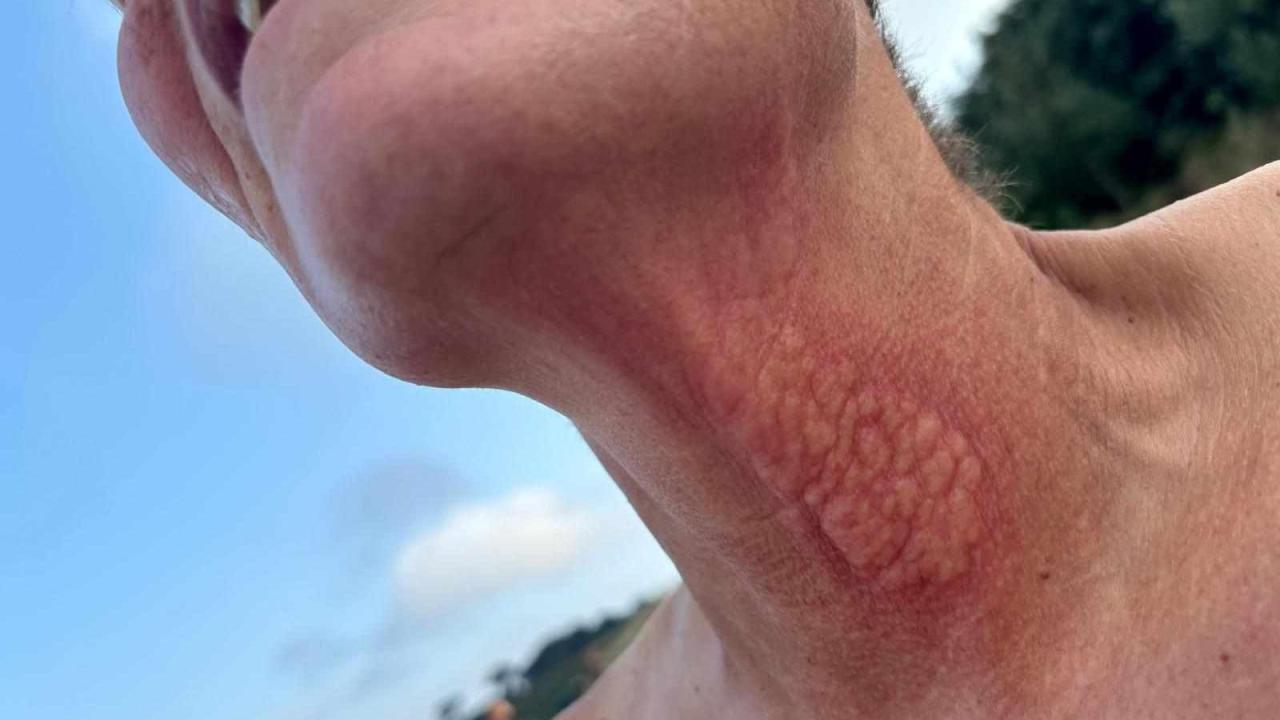
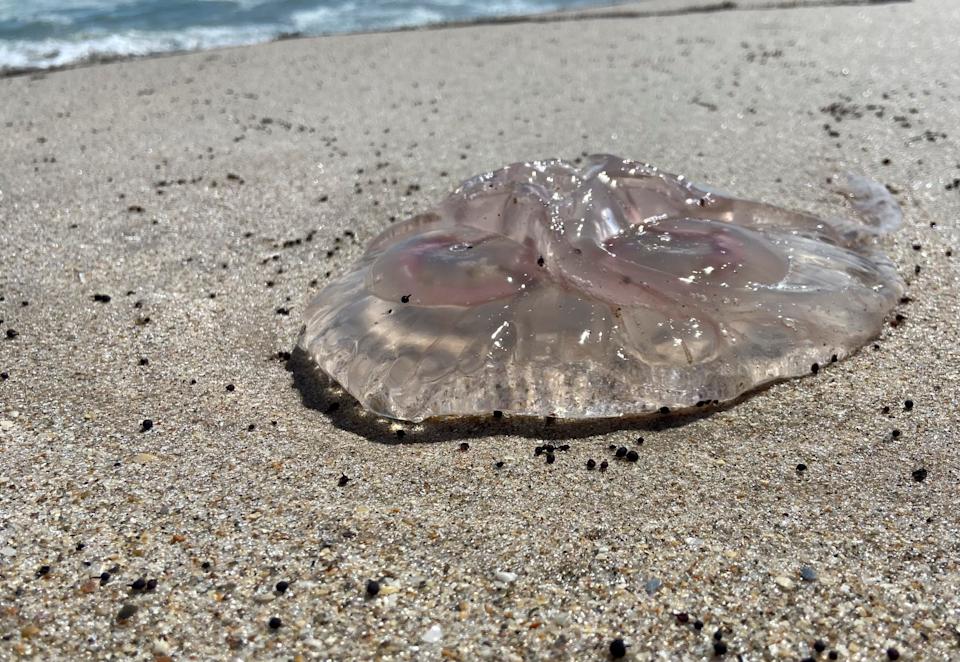
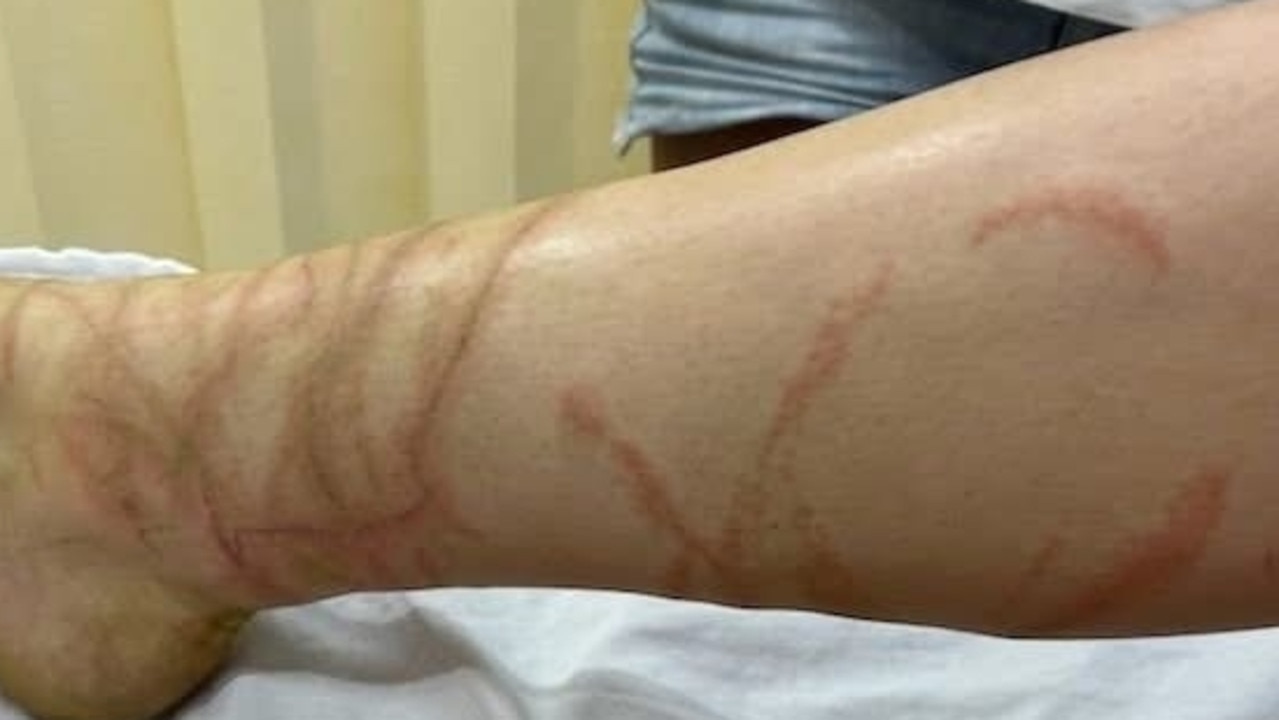
For generations, the jellyfish has been considered nothing more than a gelatinous marine pest. Swimmers and divers fear its long, trailing tentacles, knowing that a single brush against their skin can unleash a cascade of burning pain, redness, and, in severe cases, systemic illness or even death. In popular culture, the jellyfish is an antagonist of the sea. However, a revolutionary breakthrough in pharmaceutical science has turned this narrative on its head. What was once a source of agony is now being studied as a potential blueprint for a groundbreaking new class of drugs.
Researchers from the University of Sydney and the National University of Singapore have collaborated on a study that transforms the venom of the box jellyfish (Chironex fleckeri) one of the deadliest creatures on Earth from a toxin into a highly selective drug delivery vehicle. This discovery, published in the Journal of Controlled Release, demonstrates that a modified protein derived from jellyfish venom can act as a “molecular syringe,” capable of delivering therapeutic agents directly into human cells with unprecedented precision. The result is not just a new drug but an entirely new platform for treating chronic wounds, skin aging, and even certain genetic disorders.
This article will explore how a painful sting led to a medical miracle, the step-by-step science behind the innovation, comparisons with traditional drug delivery methods, and the future implications for global healthcare. We will also detail the specific characteristics of the new drug, the clinical trial roadmap, and the ethical and commercial challenges that lie ahead.
The Paradox of the Sting: From Pain to Purpose
To understand the innovation, one must first understand the problem. The box jellyfish’s venom is a complex cocktail of toxins, but the most notorious component is a large pore-forming protein known as *CfTX-1* (formerly called Chironex toxin). When a tentacle touches human skin, millions of microscopic stinging cells called nematocysts fire. Each nematocyst injects a barbed tubule that delivers CfTX-1 into the epidermis.
The mechanism of action is brutal yet elegant. CfTX-1 molecules spontaneously assemble into ring-shaped oligomers on the surface of a cell membrane. These rings then insert themselves, creating a physical pore or channel. Through this pore, calcium ions flood into the cell, and essential intracellular contents leak out. Within minutes, the affected cells undergo necrotic death. This is why jellyfish stings cause immediate tissue necrosis, intense pain, and scarring.
For decades, scientists focused on how to block this process. Antivenoms were developed, but they often had to be administered immediately to be effective. Then, a paradigm shift occurred. A team led by Dr. Samantha H. Lee at the Australian Institute of Marine Science asked a different question: “What if we don’t block the pore? What if we hijack it?”
The team hypothesized that if they could genetically modify the toxin to remove its destructive, pore-forming capability while retaining its ability to bind and penetrate cells, they would have a biological “nanosyringe.” The sting could become a delivery service.
From Venom to Vehicle: The Bioengineering Breakthrough
The process of converting a deadly venom into a safe drug carrier required four years of intensive genetic engineering and protein biochemistry. Below is the step-by-step methodology that the researchers employed.
A. Venom Extraction and Gene Sequencing
First, live box jellyfish were collected from the coastal waters of Northern Australia. Under controlled laboratory conditions, nematocysts were harvested from the tentacles. The RNA from these stinging cells was extracted, and the full gene sequence encoding the CfTX-1 protein was mapped. This revealed the exact amino acid chain responsible for both cell binding and pore formation.
B. Creating the Mutant (CfTX-1m)
Using CRISPR-Cas9 gene editing on yeast cells (which acted as biofactories), the research team introduced point mutations into the CfTX-1 gene. Specifically, they replaced two highly conserved glycine residues with alanine residues in the transmembrane domain. This minor change, referred to as CfTX-1m (mutant), had a profound effect: the protein could still recognize and attach to the cholesterol-rich lipid rafts on human cell membranes, but it could no longer assemble into a destructive ring-shaped pore. The “sting” was removed, but the “needle” remained intact.
C. Conjugation with Therapeutic Payloads
The next step involved chemically linking therapeutic molecules to the CfTX-1m protein. Because CfTX-1m naturally forms a stable trimeric structure, the researchers identified three distinct attachment points that would not interfere with cell binding. They successfully conjugated:
-
Small interfering RNA (siRNA) – for silencing disease-causing genes.
-
Fluorescent dyes – for imaging and diagnostics.
-
Small molecule drugs – such as dexamethasone for anti-inflammatory effects.
D. In Vitro and In Vivo Testing
The CfTX-1m-protein complexes were first tested on cultured human dermal fibroblasts. The results showed that the mutant protein entered cells within 15 minutes, bypassing the endosomal degradation pathway. In diabetic mice with chronic wounds, a topical cream containing CfTX-1m conjugated with a collagen-promoting peptide led to a 94% wound closure rate after 14 days, compared to 62% in the control group.
The New Drug: “JellyMed-C1”
The resulting drug candidate has been named JellyMed-C1. It is not a traditional small-molecule pill nor a large antibody therapy. Instead, it belongs to an emerging class known as “protein transduction domain-based bioconjugates.” JellyMed-C1 is a lyophilized (freeze-dried) powder that is reconstituted with a sterile hydrogel for topical application. For systemic diseases, an injectable formulation is also in development.
Below are the unique characteristics of JellyMed-C1, organized in a clear alphabetical list:
A. Selective Binding: The drug binds only to cells with exposed cholesterol-rich membrane domains. Healthy cells with normal membrane fluidity show minimal uptake, reducing off-target effects.
B. Pore-Free Mechanism: Unlike the native toxin, JellyMed-C1 does not form transmembrane pores. It uses a novel “lipid-raft clustering” method that triggers caveolin-mediated endocytosis without cellular lysis.
C. High Cargo Capacity: Each CfTX-1m trimer can carry up to three separate therapeutic molecules or a combination of a drug, a dye, and a targeting ligand. This allows for theranostic (therapy + diagnostic) applications.
D. Rapid Onset: In animal models, the drug reaches the cytosol within 30 minutes, significantly faster than liposomal or polymeric nanoparticles, which can take 2 to 6 hours.
E. Low Immunogenicity: Initial primate studies show that the mutant protein does not elicit a strong neutralizing antibody response because it shares sequence homology with endogenous human proteins involved in membrane remodeling.
F. Temperature Stability: JellyMed-C1 remains stable at room temperature for up to 8 months, eliminating the cold-chain logistics that plague many biologic drugs. This is ideal for rural or remote area applications.
Comparison with Traditional Drug Delivery Systems
To fully appreciate the innovation of JellyMed-C1, it is essential to compare it with existing drug delivery technologies. The following logical sequence outlines the advantages and limitations of each method:
1. Liposomes and Lipid Nanoparticles (e.g., Pfizer-BioNTech COVID-19 vaccine)
-
Mechanism: Phospholipid bilayers encapsulate the drug.
-
Advantages: Biocompatible, large payload capacity.
-
Limitations: Primarily taken up by the liver and spleen; requires cold storage; potential for lipid-induced toxicity.
-
*JellyMed-C1 Advantage:* Avoids liver sequestration due to direct cell membrane interaction.
2. Polymeric Nanoparticles (PLGA, Chitosan)
-
Mechanism: Biodegradable polymer shells.
-
Advantages: Controlled release over days to weeks.
-
Limitations: Risk of polymer degradation byproducts; complex manufacturing.
-
*JellyMed-C1 Advantage:* Simple one-step conjugation; no polymer degradation concerns.
3. Cell-Penetrating Peptides (TAT, Penetratin)
-
Mechanism: Short cationic peptides that cross membranes.
-
Advantages: Small size, easy synthesis.
-
Limitations: Lack of cell specificity; often trapped in endosomes (endosomal escape problem).
-
*JellyMed-C1 Advantage:* Specificity for skin and connective tissue cells; efficient endosomal escape.
4. Viral Vectors (AAV, Lentivirus)
-
Mechanism: Engineered viruses deliver genetic material.
-
Advantages: Highly efficient gene delivery.
-
Limitations: Risk of insertional mutagenesis; immunogenicity.
-
*JellyMed-C1 Advantage:* Non-viral, non-integrating; safer for transient therapies.
In summary, JellyMed-C1 occupies a unique niche: it combines the specificity of a viral vector with the safety profile of a synthetic nanoparticle, all derived from a natural marine toxin.
Clinical Applications Beyond Skin Wounds
While the initial focus of JellyMed-C1 is on chronic wound healing (diabetic ulcers, pressure sores, and burn injuries), the platform technology has much broader implications. The research team has already initiated preclinical studies in three additional areas:
A. Dermatological Aging
By conjugating CfTX-1m with synthetic peptides that stimulate collagen III and elastin production, the drug can be used to treat photoaged skin. In a 28-day study on ex vivo human skin explants, JellyMed-C1 treatment increased dermal thickness by 40% and reduced fine line depth by 55%, comparable to topical tretinoin but without the irritation.
B. Genetic Skin Diseases
For rare conditions like epidermolysis bullosa (where the skin blisters severely due to a lack of collagen VII), JellyMed-C1 could deliver CRISPR-Cas9 ribonucleoproteins directly to keratinocytes. Because the mutant protein does not trigger a strong immune response, repeated topical applications are feasible. Early results show successful gene correction in 18% of basal keratinocytes in a mouse model.
C. Localized Drug Delivery for Tumors
Basal cell carcinoma and melanoma are often treated with surgical excision or topical chemotherapy (e.g., 5-fluorouracil), which has poor penetration. CfTX-1m, loaded with a potent anti-mitotic drug (MMAE), showed selective uptake in cancer cells due to their altered membrane cholesterol composition. In a xenograft mouse model of melanoma, intratumoral injection of the conjugate reduced tumor volume by 85% after 21 days without systemic toxicity.
The Clinical Trial Roadmap
As of mid-2026, JellyMed-C1 has completed Phase 1a safety trials. The following timeline and milestones are projected by the manufacturer, MarinX Therapeutics, in collaboration with the FDA:
Step 1: Phase 1a (Completed March 2026)
-
Subjects: 32 healthy volunteers.
-
Formulation: Topical hydrogel for forearm application.
-
Outcome: No severe adverse events. Mild erythema in 12% of subjects, which resolved within 24 hours. No systemic absorption detected in serum.
Step 2: Phase 1b/2a (Expected Q4 2026 – Q2 2027)
-
Subjects: 120 patients with diabetic foot ulcers (Wagner grade 1-2).
-
Design: Randomized, double-blind, placebo-controlled.
-
Endpoints: Reduction in wound area at 4 weeks, complete closure at 12 weeks, incidence of infection.
-
Projected enrollment: Open in Australia, Singapore, and the United States.
Step 3: Phase 2b (2028)
-
Subjects: 400 patients with chronic venous leg ulcers.
-
Comparison: JellyMed-C1 vs. standard care (hydrocolloid dressings and compression therapy).
-
Goal: Demonstrate non-inferiority in closure rate and superiority in pain reduction.
Step 4: Phase 3 (2029-2030)
-
Subjects: 1,500 patients across multiple centers in Europe, North America, and Asia.
-
Formulations: Both topical (for dermal indications) and injectable (for localized tumor therapy).
If all trials succeed, a New Drug Application (NDA) is expected to be filed by the end of 2030, with a potential market launch in early 2031. The FDA has already granted JellyMed-C1 Orphan Drug Designation for epidermolysis bullosa.
Commercial and Ethical Considerations
No revolutionary drug comes without challenges. The path from jellyfish sting to pharmacy shelf is fraught with obstacles, which we can categorize as follows:
A. Scalability of Production
The current yield of CfTX-1m from yeast fermentation is 15 milligrams per liter. To produce enough for a Phase 3 trial, the team needs a yield of at least 200 mg/L. Researchers are now engineering Pichia pastoris strains with multiple gene copies. However, higher expression levels have been associated with protein misfolding and cytotoxicity to the yeast host. A breakthrough in synthetic biology perhaps using cell-free protein synthesis is required.
B. Long-Term Immunogenicity Risk
While short-term primate studies show low antibody titers, chronic use (e.g., for diabetic ulcer prevention over years) could potentially induce an adaptive immune response. The structure of CfTX-1m contains a beta-barrel motif that is evolutionarily conserved in bacteria. If a patient develops neutralizing antibodies, the drug would become ineffective. To mitigate this, MarinX is developing a “stealth” version by PEGylating (attaching polyethylene glycol chains) to the protein’s surface, a technique borrowed from other biologics.
C. Environmental Impact of Harvesting
One ethical concern is the source of the original venom. While the current production is entirely recombinant (no jellyfish are harmed), the initial discovery relied on wild-caught box jellyfish. Overharvesting could disrupt marine ecosystems. However, box jellyfish populations are currently not endangered; in fact, they are considered overabundant due to climate change. Nevertheless, the company has committed to a zero-wild-harvest policy starting in 2027, relying solely on synthetic gene expression.
D. Pricing and Accessibility
Biologics are famously expensive. Experts estimate that a single course of JellyMed-C1 for a chronic wound might cost between 3,000and8,000. This puts it out of reach for many in developing nations, despite the fact that diabetic ulcers are a growing epidemic in low- and middle-income countries. MarinX has announced a tiered pricing model and is in discussions with the WHO to include JellyMed-C1 on the Essential Medicines List, contingent on Phase 3 results.
Case Study: First Human Success Story
Although Phase 1 trials involved only healthy volunteers, a compassionate use request was approved for a 54-year-old male patient (pseudonym: “Patient X”) in Sydney, Australia. Patient X had a non-healing venous stasis ulcer on his left ankle for 18 months. The ulcer measured 4.2 cm², had failed four different wound dressings, two courses of antibiotics, and a skin graft. He was being considered for below-knee amputation.
Over eight weeks, the research team applied a topical formulation of JellyMed-C1 conjugated with a VEGF-mimetic peptide (vascular endothelial growth factor) three times per week. Here are the documented results:
-
Week 2: The wound bed showed pink granulation tissue covering 60% of the area. Patient reported a reduction in pain from 8/10 to 3/10.
-
Week 4: The ulcer diameter decreased to 1.8 cm². No signs of infection. Edema in the surrounding tissue resolved.
-
Week 6: Complete epithelialization of the wound margins. The central area measured 0.4 cm².
-
Week 8: Full closure of the ulcer. The new skin was biopsied and showed normal collagen architecture, with no evidence of scar tissue hypertrophy.
Patient X was able to return to work and avoid amputation. This single case, while not statistically significant, provided the proof-of-concept that propelled JellyMed-C1 into accelerated regulatory pathways.
Future Directions: Beyond Topical Use
The current iteration of JellyMed-C1 is limited to topical and intratumoral injection because the CfTX-1m protein is rapidly cleared by the kidneys if administered intravenously. However, the research team is already working on a second-generation variant called JellyMed-C2, which includes an albumin-binding domain. This would extend the half-life from 45 minutes to nearly 12 hours, opening the door to systemic therapies such as:
-
Inflammatory bowel disease: Oral formulation using enteric-coated capsules.
-
Pulmonary fibrosis: Inhalable dry powder.
-
Muscular dystrophy: Intramuscular injection of gene-editing components.
Moreover, the platform is not limited to jellyfish venom. The research team has already cloned similar pore-forming toxins from sea anemones and cone snails, creating a library of “molecular syringes” with different cell-type preferences. This represents a new era of venom-inspired precision medicine.
Conclusion: The Sting That Heals
In a poetic twist of nature, the same creature that causes one of the most excruciating pains in the animal kingdom may hold the key to healing some of medicine’s most stubborn wounds. The box jellyfish’s venom, once a biochemical weapon of mass cellular destruction, has been tamed, re-engineered, and repurposed into a sophisticated drug delivery platform. JellyMed-C1 is more than just a single drug; it is a paradigm shift. It demonstrates that the line between toxin and therapy is not fixed but is instead defined by dosage, context, and molecular design.
For patients with chronic diabetic ulcers, for children born with epidermolysis bullosa, for the elderly suffering from frail skin, and for the millions affected by non-healing wounds worldwide, this innovation offers hope where existing treatments have failed. The jellyfish’s sting, once a harbinger of injury, may soon become synonymous with regeneration.
As we stand on the cusp of a new decade in biotechnology, one lesson is clear: the ocean remains the largest and least explored biopharmaceutical laboratory on Earth. Every nematocyst, every venom gland, and every tentacle may contain a solution to a problem we have not yet solved. The sting that saves is a reminder that in nature, even the most fearsome adversary can become the most powerful ally.