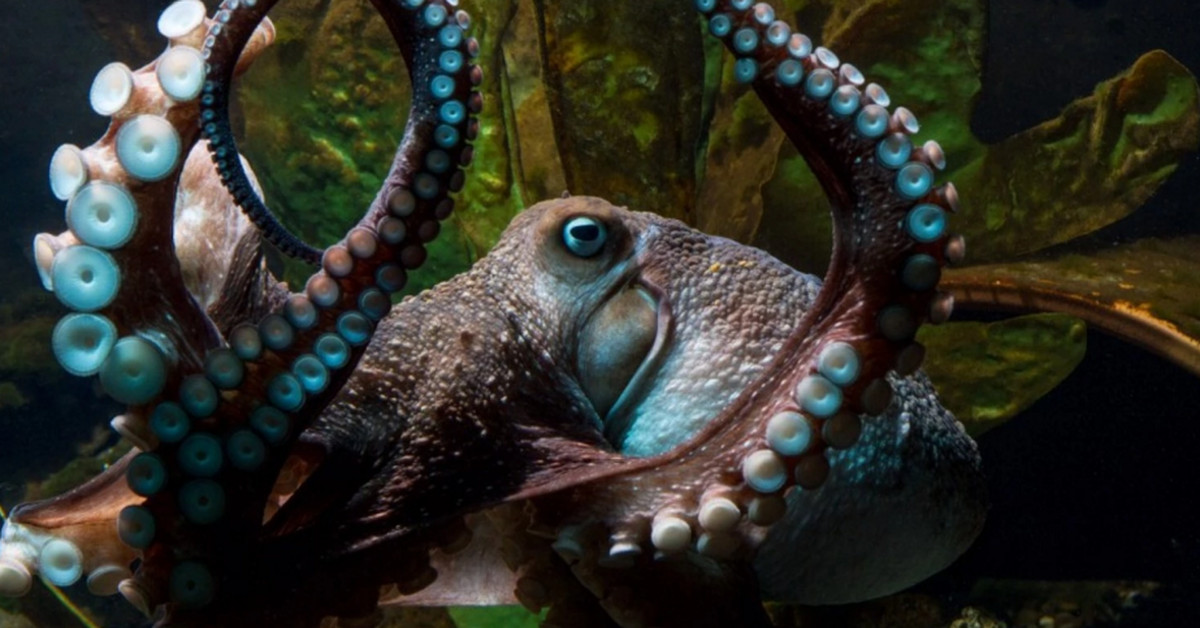
In a quiet coastal town, a remarkable event recently captured global attention. An octopus, known for its exceptional intelligence and problem-solving abilities, managed to escape from a marine research laboratory. This incident not only amazed scientists but also raised important questions about animal cognition, captivity ethics, and the hidden capabilities of one of the ocean’s most mysterious creatures. Octopuses have long fascinated researchers, but this particular escape demonstrated levels of planning, memory, and physical dexterity that rival some of the smartest animals on land.
Understanding the Octopus: Nature’s Genius
Octopuses belong to the class Cephalopoda, which also includes squid, cuttlefish, and nautiluses. Unlike many other marine animals, octopuses have evolved a nervous system that is both centralized and distributed. Approximately two-thirds of their neurons reside in their arms, allowing each arm to operate semi-independently. This unique biological feature gives octopuses extraordinary flexibility in movement and problem-solving.
Key Characteristics of Octopus Intelligence
A. Problem-Solving Abilities – Octopuses can open jars, solve mazes, and navigate complex environments. They learn through observation and trial-and-error, often remembering solutions for months.
B. Camouflage Mastery – Using specialized skin cells called chromatophores, octopuses can change color, texture, and pattern in milliseconds to blend into their surroundings.
C. Tool Use – Some species collect coconut shells or rocks to use as portable shelters, a behavior once thought unique to vertebrates.
D. Short and Long-Term Memory – Studies show octopuses distinguish between different people and remember past interactions, especially negative ones.
E. Play Behavior – In captivity, octopuses have been observed interacting with toys and objects in ways that suggest curiosity and enjoyment.
The Escape: What Really Happened
The incident occurred at a well-known marine biology research facility on the west coast. The octopus, a female common octopus (Octopus vulgaris) named Athena, was housed in a specially designed tank intended to prevent escapes. The tank featured a heavy lid with locking mechanisms, smooth interior walls, and no visible gaps. Despite these precautions, Athena managed to slip away during the night.
Step-by-Step Reconstruction of the Escape
A. Initial Observation – Researchers noticed that Athena had been spending unusual amounts of time near the tank’s filtration pipe. She appeared to measure the opening with her arms repeatedly over several days.
B. Unscrewing the Pipe – Using her suckers for grip, Athena slowly unscrewed the pipe’s outer cover. This required sustained force and rotational movement, which octopuses can achieve thanks to their flexible yet powerful arms.
C. Squeezing Through – After removing the cover, Athena compressed her soft, boneless body to fit through a gap less than one inch in diameter. Octopuses have no internal skeleton except for their beak, allowing them to pass through any opening larger than their beak.
D. Traveling Across the Lab – Once free from the tank, Athena crawled across the laboratory floor, climbed over a low barrier, and made her way to a drainage grate in the corner of the room.
E. Final Escape – The drainage grate led directly to a pipe that emptied into a nearby tidal pool. By morning, Athena was gone, leaving only a trail of wet marks and the removed pipe cover.
Why Did the Octopus Escape?
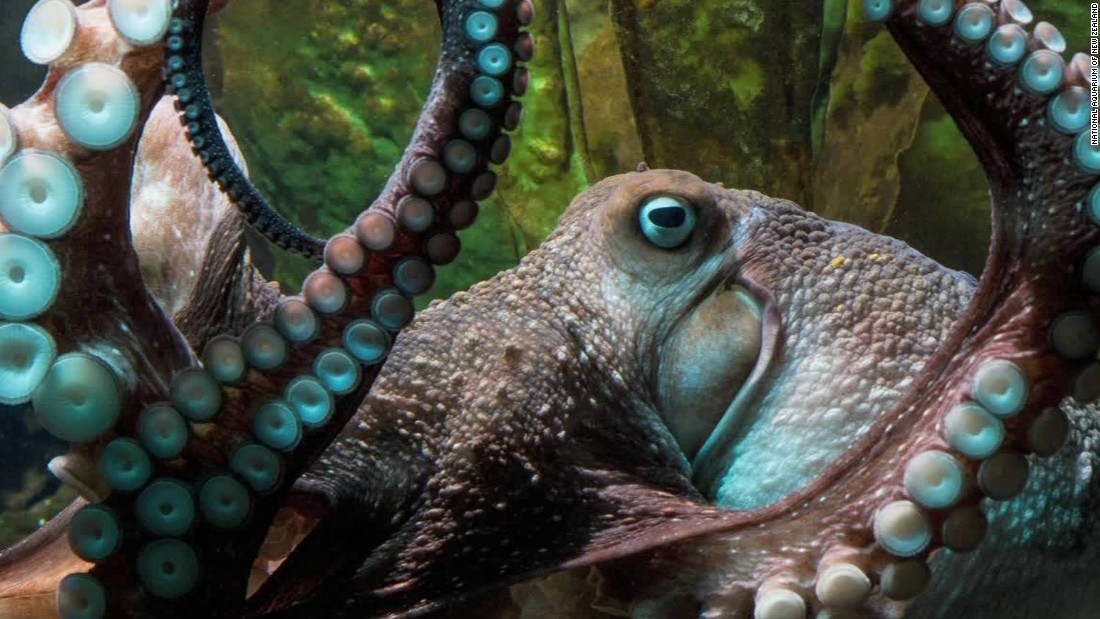
Understanding animal motivation is challenging, but researchers have proposed several possibilities.
A. Stress and Confinement – Captivity is inherently stressful for wild animals, especially intelligent species like octopuses. Small tanks, artificial lighting, and lack of environmental stimulation can lead to abnormal behaviors.
B. Exploratory Drive – Octopuses are naturally curious. In the wild, they spend hours exploring crevices, hunting, and testing objects. A featureless tank offers little mental engagement.
C. Instinct for Survival – In unfamiliar or threatening environments, octopuses instinctively seek hiding spots or exit routes. The lab tank, despite regular feeding, may have triggered flight responses.
D. Memory of Freedom – If Athena was wild-caught, she may have retained memories of the open ocean. Her escape could represent a deliberate return to a known state.
Implications for Animal Ethics and Research
The escape of Athena has ignited a broader conversation about the treatment of cephalopods in research and commercial settings. Unlike mammals, octopuses have historically received fewer legal protections. However, growing evidence of their intelligence suggests this must change.
Ethical Concerns
A. Tank Size Requirements – Many research facilities still use tanks that are too small for octopuses’ natural roaming range, which can exceed 100 meters per day in the wild.
B. Environmental Enrichment – Studies show that octopuses in enriched environments (with toys, puzzles, and variable structures) display fewer signs of stress and live longer. However, many labs lack such provisions.
C. Recognition of Sentience – In 2021, the UK formally recognized octopuses, crabs, and lobsters as sentient beings under the Animal Welfare (Sentience) Act. Similar laws are being considered in other countries.
D. Humane Capture and Handling – Wild-caught octopuses often experience trauma during capture and transport. Ethical research now encourages captive breeding programs and less invasive study methods.
What Researchers Learned from This Incident
Rather than viewing Athena’s escape as a failure, scientists have embraced it as a learning opportunity. The event revealed several weaknesses in standard laboratory protocols.
Key Takeaways
A. Reevaluation of Tank Design – Standard lids and pipes are insufficient. Labs must now design escape-proof systems considering the octopus’s ability to unscrew, squeeze, and climb.
B. Importance of Daily Inspections – Regular checks of all openings, seals, and gratings can prevent future escapes. Motion-activated cameras can monitor nocturnal activity.
C. Behavioral Data Collection – Athena’s pre-escape behavior (repeated pipe inspection) provides valuable data on how octopuses plan and execute complex actions. This has implications for artificial intelligence and robotics research.
D. Need for Better Enrichment – Providing puzzles, hidden food, and changing environments reduces escape attempts by satisfying natural curiosity. Several labs have since redesigned their octopus habitats.
The Search for Athena
Following her escape, researchers attempted to locate Athena in the tidal pool and surrounding coastal area. Using underwater cameras and bait traps, they searched for three weeks. While they did not find Athena, they observed a healthy octopus of similar size and species living in a nearby rocky crevice. Whether this was Athena remains unconfirmed, as octopuses are solitary and marking them without stress is difficult.
Possible Outcomes
A. Successful Reintroduction – If Athena adapted to the wild, she likely resumed natural behaviors such as hunting crabs, avoiding predators, and possibly mating. Common octopuses live 1–2 years in the wild.
B. Short-Term Survival Challenges – Captive-raised or long-term captive octopuses may struggle with finding food or recognizing predators. However, Athena’s escape behavior suggests strong survival instincts.
C. Impact on Local Ecosystem – One octopus is unlikely to disrupt a stable ecosystem. However, researchers continue to monitor the area for any unusual changes.
Fascinating Facts About Octopus Intelligence
To fully appreciate Athena’s achievement, here are additional remarkable octopus abilities:
A. Individual Personalities – Studies confirm that octopuses display consistent individual differences in shyness, boldness, and reactivity.
B. Learning by Watching – Octopuses can learn new tasks by observing other octopuses, a cognitive ability once attributed only to vertebrates.
C. Pain Perception – Octopuses possess nociceptors (pain receptors) and exhibit avoidance behaviors after painful stimuli, indicating they feel pain.
D. Arm Autonomy – Cut-off octopus arms can still respond to stimuli and grip objects for up to an hour, controlled by their own nerve clusters.
E. Short Lifespan Mystery – Unlike crows or primates, octopuses achieve high intelligence despite living only 1–2 years. Scientists are still studying this evolutionary puzzle.
Preventing Future Escapes: Best Practices for Marine Labs
Based on Athena’s escape, marine research facilities worldwide have updated their protocols. Below are the recommended best practices:
A. Physical Barriers
-
Seamless tank interiors without protruding fixtures
-
Locking lids with secondary latches accessible only from the outside
-
All pipes and tubes must have internal screens or one-way valves
-
Tanks elevated at least 2 feet from any climbable surface
B. Monitoring Systems
-
24/7 infrared cameras with motion detection alerts
-
Water level sensors to detect unusual drainage
-
Daily weight and behavior logs
-
Weekly escape drill tests using octopus-mimicking soft robots
C. Environmental Design
-
Minimum tank volume of 50 gallons per octopus, plus 10 gallons per arm length
-
Rotating enrichment objects (Lego bricks, shells, mirrors, floating balls)
-
Variable water currents to simulate ocean conditions
-
Dark hideaways and artificial kelp forests
D. Staff Training
-
Regular workshops on octopus behavior and escape risks
-
Emergency response drills for possible escapes
-
Reporting systems without penalty for documenting close calls
Why This Story Matters Beyond Science
The tale of an octopus escaping a lab resonates with people for deeper reasons. It challenges human assumptions about animal intelligence and freedom. Many see Athena not as a simple invertebrate but as a clever individual who refused confinement. This shift in perspective contributes to growing movements for ethical treatment of all sentient creatures, from farm animals to zoo residents.
Moreover, understanding octopus intelligence inspires technological innovation. Soft robotics, camouflage materials, and flexible grippers have all drawn inspiration from octopus biology. By protecting octopuses and their habitats, we preserve a living library of evolutionary solutions to engineering problems.
Conclusion
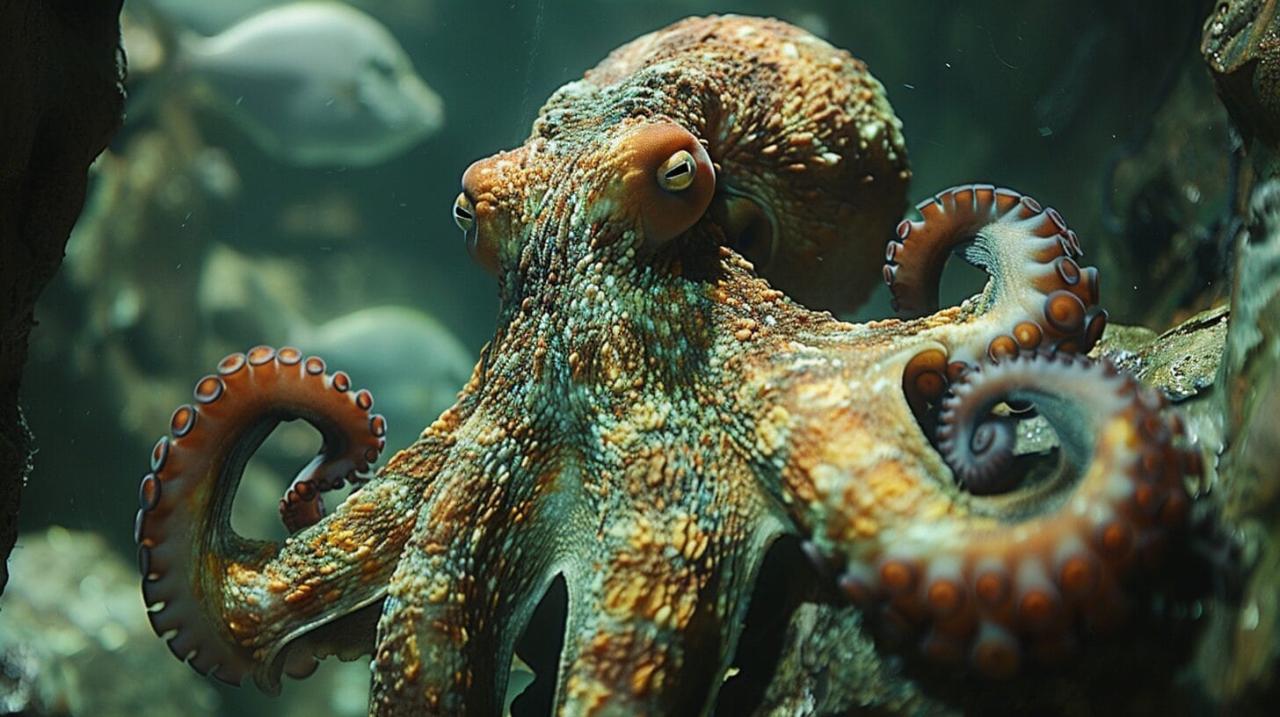
The escape of Athena the octopus from a marine research laboratory is far more than a curious news story. It is a powerful reminder of the hidden depths of animal cognition and the ethical responsibilities that come with studying intelligent life. Octopuses continue to surprise scientists with their ability to plan, remember, adapt, and escape. As research methods improve and legal protections expand, we can hope for a future where such escapes are unnecessary because the conditions for captive octopuses will finally respect their remarkable minds.
Whether Athena now roams the Pacific tides or lives on through the lessons she taught us, her legacy endures. She proved that even a creature without bones, without a shell, and without a human-like brain can outwit our best efforts to contain her. And that, perhaps, is the greatest scientific discovery of all.