
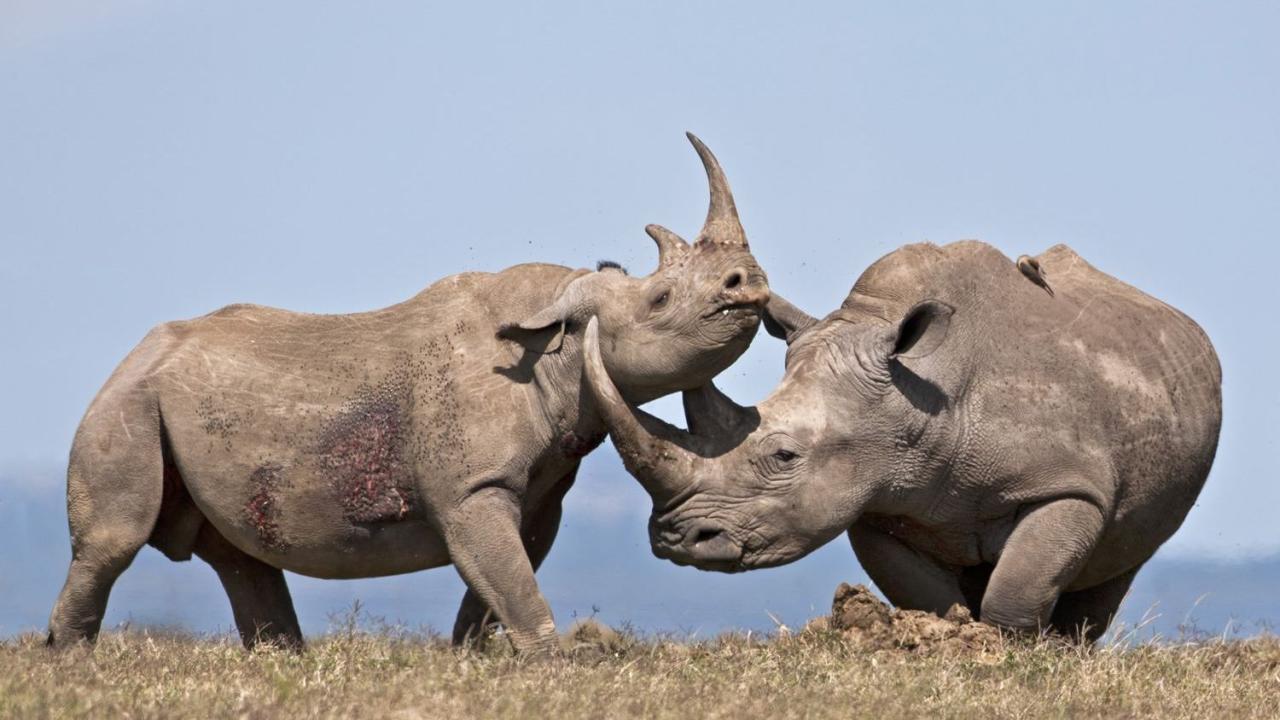
The global conservation world has been stirred by an unprecedented event: the first commercial sale of lab-grown rhino horn. For decades, the relentless poaching of rhinoceroses has pushed these magnificent creatures to the brink of extinction. Desperate times have called for desperate measures, and scientists, biotech entrepreneurs, and conservationists have collaborated on a radical solution. They have created a biologically identical replica of rhino horn in a laboratory, and the first batch has just been sold. This article explores the science behind this innovation, the ethical debate it has ignited, the market’s reaction, and the potential future for wildlife protection.
The Genesis of a Controversial Solution
The idea of growing animal products in a lab is not entirely new. Cultured meat, lab-grown leather, and synthetic spider silk have already made headlines. However, the application of this technology to a species on the verge of extinction is a revolutionary step. The premise is deceptively simple: if you can produce an identical product without harming a single animal, you can flood the black market, drive down prices, and eliminate the financial incentive for poachers.
Historically, efforts to save the rhino have focused on three main strategies: armed anti-poaching patrols, dehorning wild rhinos to make them less attractive to hunters, and international bans on the trade of rhino horn. Despite these efforts, the slaughter has continued. According to recent data, a rhino is still killed every sixteen hours in South Africa alone. The failure of traditional methods has prompted a search for disruptive technologies. The lab-grown horn is the most disruptive of them all.
What Exactly Is Lab-Grown Rhino Horn?
To understand why this innovation is so effective, one must first understand what real rhino horn is made of. Contrary to popular myth, rhino horn is not made of bone or ivory. It is composed primarily of a tough, fibrous protein called keratin exactly the same protein that makes up human hair, fingernails, and horse hooves.
A. Biological Composition: Real rhino horn consists of keratin filaments held together by a matrix of calcium and melanin. The melanin gives the horn its dark core and is deposited as the animal ages.
B. Growth Structure: Unlike the solid ivory of an elephant tusk, rhino horn grows outward from the skin, much like a hair follicle. It is layered, and over time, the center darkens due to exposure to sunlight and sweat.
C. Replication Process: Scientists in a biotech firm (often based in the US or Europe) have reverse-engineered this structure. They take keratinocytes the cells that produce keratin and culture them in a bioreactor. Using a specialized 3D bioprinting process, they layer the keratin in concentric circles, mimicking the natural growth rings. They then add calcium deposits and melanin to match the exact density, weight, and color of a wild rhino’s horn.
D. Purity and Perfection: One of the most shocking aspects of the recent sale is that the lab-grown horn is actually more consistent in quality than the natural product. Wild rhino horns can be brittle, cracked, or infested with parasites. The lab-grown version is pristine, uniform, and structurally superior.
The First Sale: A Case Study
The transaction that shocked the market occurred in an undisclosed location, likely to avoid legal repercussions from international treaties like CITES (Convention on International Trade in Endangered Species). However, the sale was legal because the product was not derived from an endangered animal.
The buyer, a private collector who wished to remain anonymous, paid approximately 3,500perkilogramforthesynthetichorn.Toputthatinperspective,realrhinohornontheblackmarkethashistoricallyfetchedpricesbetween60,000 and $100,000 per kilogram—more than the price of gold or cocaine. The massive price discrepancy is intentional. The goal of the manufacturers is to reduce the price to below the cost of poaching.
A. Volume of Sale: The initial batch sold was 500 kilograms.
B. Price Point: $1.75 million total revenue for the biotech firm.
C. Intended Use: The buyer claims the horn will be used for “traditional carving” and “investment.” However, conservationists fear it could be mixed with real horn powder to fool chemical tests.
Market Dynamics: Supply, Demand, and Poaching
To understand the potential impact of lab-grown horn, we must analyze the economics of poaching.
The Supply Side (Poachers):
A poacher in Africa risks his life. He faces armed rangers, electrified fences, and the potential of a 25-year prison sentence. He kills a rhino, extracts the horn, and sells it to a middleman for roughly 5,000to10,000 per kilogram. That middleman then smuggles it across borders, bribes officials, and finally sells it to a retailer in Vietnam or China for $60,000 per kilogram.
The Demand Side (Buyers):
The demand for rhino horn comes from two primary sources:
-
Traditional Asian Medicine (TAM): Historically, rhino horn was ground into a powder to treat fevers, convulsions, and even cancer. Modern science has proven it has no medicinal value (it is just keratin, essentially eating your own fingernails). However, cultural tradition is powerful.
-
Status Symbol: In Vietnam, owning a rhino horn carving is a sign of immense wealth and success. It is often given as a gift to business partners or politicians.
The Disruptive Effect:
If lab-grown horn becomes available at $3,500 per kilogram, the economic logic of poaching collapses.
-
A poacher’s math: If the street price drops to 4,000/kg,themiddlemanwillonlyoffer500/kg. The poacher risks death for $500. He will stop.
-
The counterfeiting fear: Critics argue that criminals will simply buy lab-grown horn and resell it as real horn. However, advanced isotopic analysis can distinguish synthetic growth media from wild forage diets. Furthermore, the manufacturers are planning to embed microscopic “nanotags” or genetic markers into every lab-grown horn to make detection instant.
The Ethical Debate: Savior or Pandora’s Box?
Despite the promising economics, the sale of lab-grown rhino horn has triggered a firestorm of ethical controversy. Conservationists are split into two warring camps.
Pro-Lab-Grown Horn Arguments:
A. Saving Lives: The most compelling argument is utilitarian. If we can stop the killing of 1,000 rhinos per year, does it matter if people are buying synthetic keratin? The animal does not care about cultural purity; it cares about being alive.
B. Funding Conservation: Some biotech companies have pledged to donate a percentage of their profits to anti-poaching units. If the synthetic horn industry reaches scale, it could become a perpetual funding machine for wildlife protection.
C. Technological Inevitability: The technology exists. If Western companies do not produce it, unregulated labs in China or Russia will. It is better to control the market with transparency.
Anti-Lab-Grown Horn Arguments:
A. Legitimizing Demand: Critics like those at the International Union for Conservation of Nature (IUCN) argue that selling any rhino horn normalizes the desire for rhino horn. They fear a “rebound effect” where lower prices actually increase demand. If a horn is cheap, a middle-class person in Hanoi might buy one where previously they couldn’t afford it. Total horn consumption could rise.
B. Difficulty of Enforcement: How does a customs official tell the difference between a legal lab-grown horn and an illegal wild horn? Without expensive lab equipment at every port, smugglers will walk through with wild horns, claiming they are synthetic.
C. The “Free-Rider” Problem: If lab-grown horns protect wild rhinos, why would law enforcement in consuming countries bother arresting criminals? They might simply say, “They are probably buying the fake stuff,” and stop enforcing the ban entirely.
Technical Deep Dive: How the Horn is Made
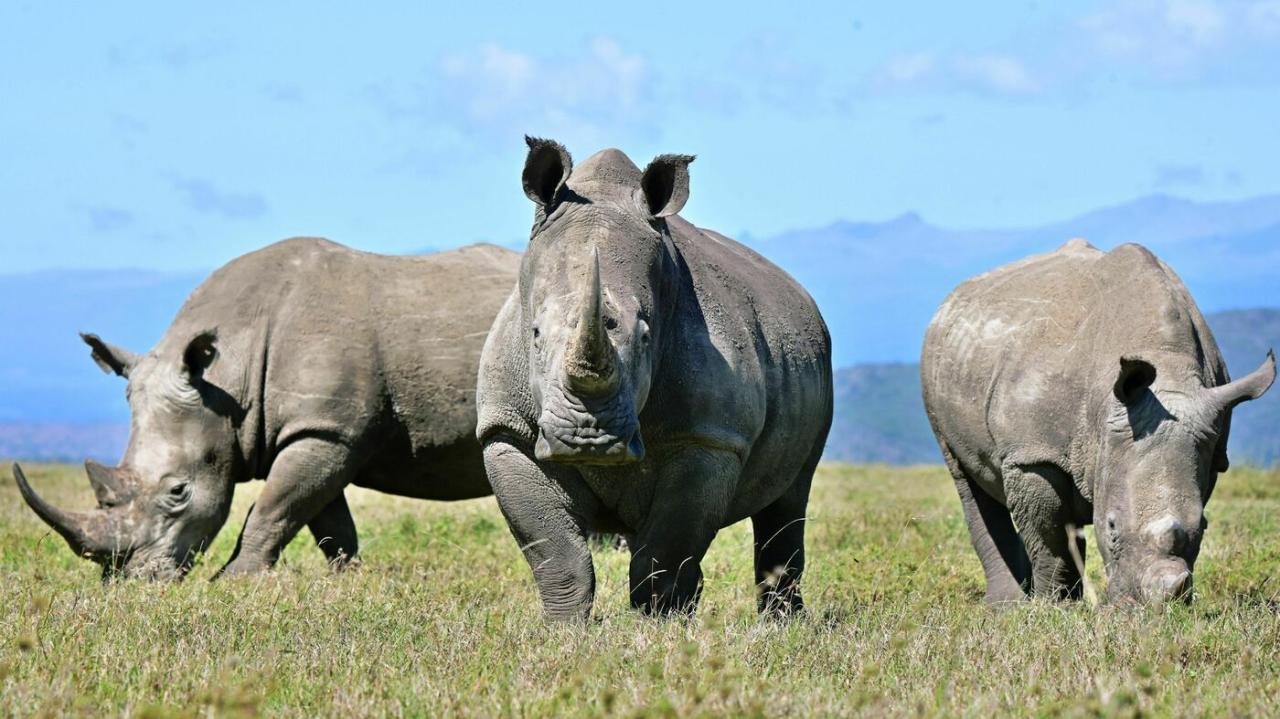
For the scientifically curious reader, the manufacturing process is a marvel of modern bioengineering. The specific company involved (which we shall call “Ceratotherium Biotech” for anonymity) uses a proprietary 12-step process.
Step 1: Genomic Harvesting. Scientists extract a small skin sample from a living rhinoceros (painlessly, under sedation). They sequence the genes responsible for keratin production.
Step 2: Cell Culture. The keratinocytes are placed in a nutrient-rich broth of amino acids, glucose, and vitamins. They multiply rapidly.
Step 3: Bioprinting Substrate. A 3D printer, modified with multiple nozzles, extrudes a base layer of silicone to mimic the bony skull plate where the horn attaches.
Step 4: Layered Deposition. The printer deposits keratin in concentric rings. Each ring is angled at 15 degrees, just like natural horn growth.
Step 5: Maturing Agent. The horn is bathed in a solution of calcium carbonate and tyrosine to harden the outer layer.
Step 6: Dyeing. To replicate the dark, aged base of a wild horn, the core is injected with melanin synthesized in a separate bioreactor.
Step 7: Dehydration. The horn is dried in a vacuum chamber to match the 8-10% moisture content of a real horn.
Step 8: Carving. CNC machines carve the surface to create the natural ridges and wear patterns of a wild rhino.
Step 9: Nanotagging. Invisible quantum dots are added to the keratin matrix. These dots fluoresce under a specific wavelength of light.
Step 10: Quality Control. Every horn is weighed, X-rayed, and tested for density.
Step 11: Blockchain Registration. Each horn receives a digital certificate stored on a public blockchain. Anyone can scan a QR code to see when and where it was made.
Step 12: Packaging and Sale. The horn is sealed in a tamper-proof container and shipped.
The Future Landscape: From Rhinos to Tigers and Pangolins
The success (or failure) of lab-grown rhino horn has massive implications for other endangered species. The same logic can be applied to almost any animal product that is valuable on the black market.
A. Elephant Ivory:
A team at the University of Cambridge is already working on lab-grown dentin. By culturing odontoblasts (tooth-forming cells), they hope to grow a tusk identical to an elephant’s. If successful, this would devastate the $1 billion per year ivory trade.
B. Pangolin Scales:
The pangolin is the most trafficked mammal in the world. Its scales are made of keratin the exact same material as rhino horn. A lab could produce a ton of synthetic pangolin scales overnight for a few thousand dollars, rendering the animal worthless to poachers.
C. Tiger Bone:
Traditional medicine in some Asian countries uses tiger bone as a painkiller. While bone is more complex to replicate than keratin, advances in hydroxyapatite printing could eventually produce synthetic tiger bones. However, this raises even more severe ethical questions about pretending to kill a tiger for medicine.
D. Shark Fins:
While not an endangered species in the same way, sharks are killed for their fins. Scientists have already created synthetic shark fin using soy protein and gluten. It tastes and looks the same. If we can replace rhino horn, we can replace the shark fin soup industry.
Consumer Response and Cultural Shift
Will the buyers in Hanoi, Beijing, and Ho Chi Minh City accept lab-grown horn? This is the million-dollar question. Cultural anthropologists have conducted focus groups in Vietnam to test the reaction.
The results are mixed:
-
The Older Generation: Traditionalists are horrified. They believe only a horn cut from a wild rhino contains the “spirit energy” (or hong in Chinese medicine). For them, a lab-grown horn is dead, fake, and useless.
-
The Younger Generation: Urban, educated millennials and Gen Z are much more pragmatic. They are environmentally conscious. They do not want to be responsible for extinction. A survey indicated that 68% of Vietnamese respondents under 30 would buy a lab-grown horn if it were certified safe and legal.
-
The Status Symbol Buyer: This is the toughest segment. A rich businessman wants to show off that he can afford the real thing. If everyone has a synthetic horn, owning one is no longer special. However, if the price of the real thing skyrockets due to scarcity, it remains a luxury. The risk is that lab-grown horns create a two-tier market: cheap fakes for the masses, and astronomically expensive real horns for the elite.
Legal and Regulatory Hurdles
The recent sale occurred in a legal gray area. Current laws like CITES do not ban synthetic rhino horn because CITES pertains to the movement of endangered species across borders. A lab-grown product is not an endangered species.
A. United States: The US Fish and Wildlife Service has ruled that synthetic horn is legal to buy, sell, and own because it does not violate the Endangered Species Act. However, it is illegal to label it as “wild rhino horn” for fraud purposes.
B. China: China has recently closed down most of its legal rhino horn and tiger bone farms. Their stance on lab-grown horn is unclear. They have historically been strict about counterfeiting, but this is a novel product.
C. European Union: The EU is drafting a “Synthetic Wildlife Product Directive” that would require all lab-grown horns to be dyed a specific color (e.g., bright blue) so customs officials can instantly distinguish them from real horns.
D. Vietnam: The Vietnamese government has not yet issued a statement. Local conservation groups are lobbying for a complete ban, arguing that any sale will confuse the public.
Potential Negative Consequences We Must Consider
While the author of this article is generally optimistic about the technology, it would be irresponsible not to list the potential disastrous outcomes.
-
The “Bait and Switch” Conspiracy: Criminal syndicates could buy lab-grown horns, grind them into powder, and mix them 50/50 with real horn powder. The resulting mixture would pass a simple DNA test (because the real horn DNA is present) but would halve the number of rhinos killed. However, it still kills rhinos.
-
The Hunting Paradox: If rhinos are no longer profitable, governments in Africa might lose the incentive to protect them. Currently, private game reserves use the threat of poaching to justify expensive security. If the threat disappears, the land might be sold to cattle ranchers. Wild rhinos could disappear not because they are killed, but because their habitat is repurposed.
-
Technological Unemployment for Rangers: Hundreds of anti-poaching rangers may lose their jobs if poaching collapses. These are often local men who rely on that income to feed their families. A just transition plan is required.
Conclusion: A New Dawn or a Fool’s Gamble?
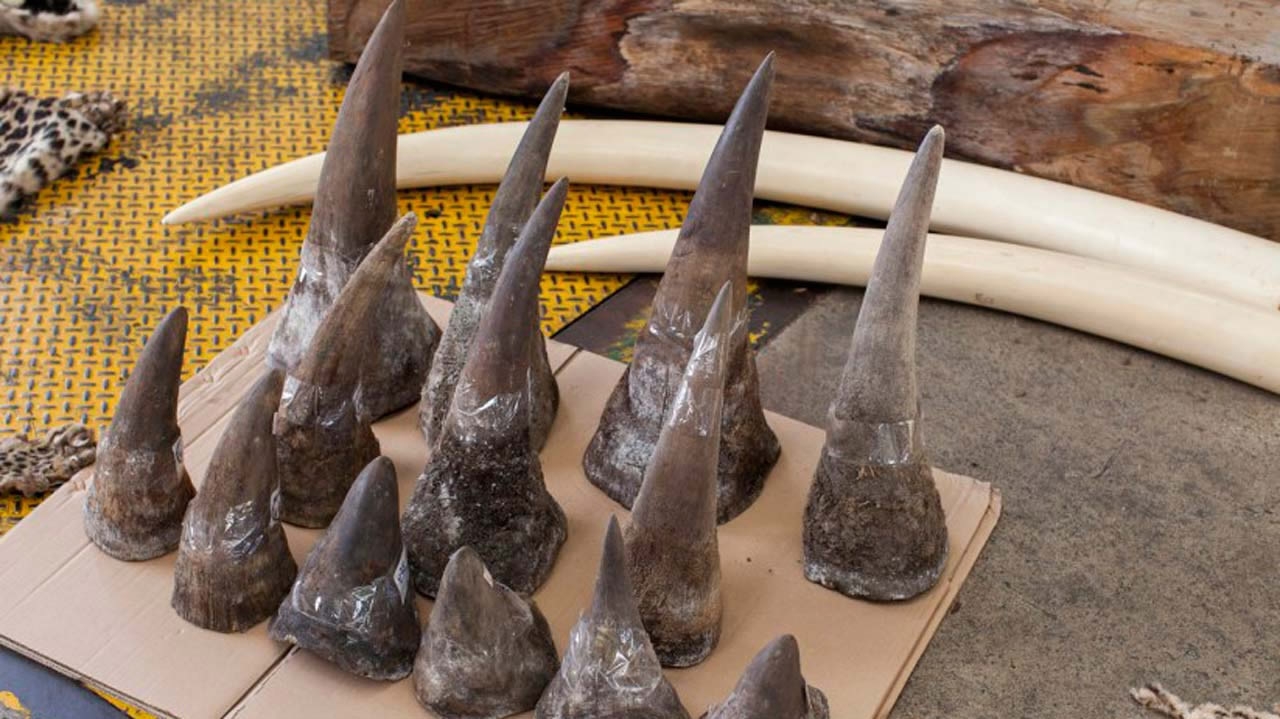
The sale of the first batch of lab-grown rhino horn is a watershed moment for the Anthropocene. It represents the first time humanity has directly used industrial biotechnology to dismantle a wildlife black market. The logic is brutal but effective: you cannot save a species by asking poachers nicely to stop. You must destroy their business model.
The path forward requires three simultaneous actions:
-
Action 1: Biotech companies must agree to a global standard of “Nanotagging” every single synthetic horn so that no customs officer is ever fooled.
-
Action 2: Governments must maintain and enforce the ban on wild rhino horn with increased penalties. The existence of legal fakes must not lead to amnesty for real criminals.
-
Action 3: Public education campaigns in Asia must be rebooted to inform consumers that buying wild horn in a world full of synthetic horn is not just cruel, but absurdly wasteful. You are paying 60,000forthesamekeratinyoucangetfor3,500.
Will this save the rhino? Perhaps. But it will not save the rhino because humans stopped wanting the horn. It will save the rhino because humans got better at making the horn in a factory. It is a cynical salvation, but salvation nonetheless. As the first buyer walks away with his block of bioprinted keratin, five rhinos graze peacefully in a South African valley, unaware that their value has just dropped to zero. And for them, that is the best news in a decade.